Can You Eat Rice and Still Lose Weight?
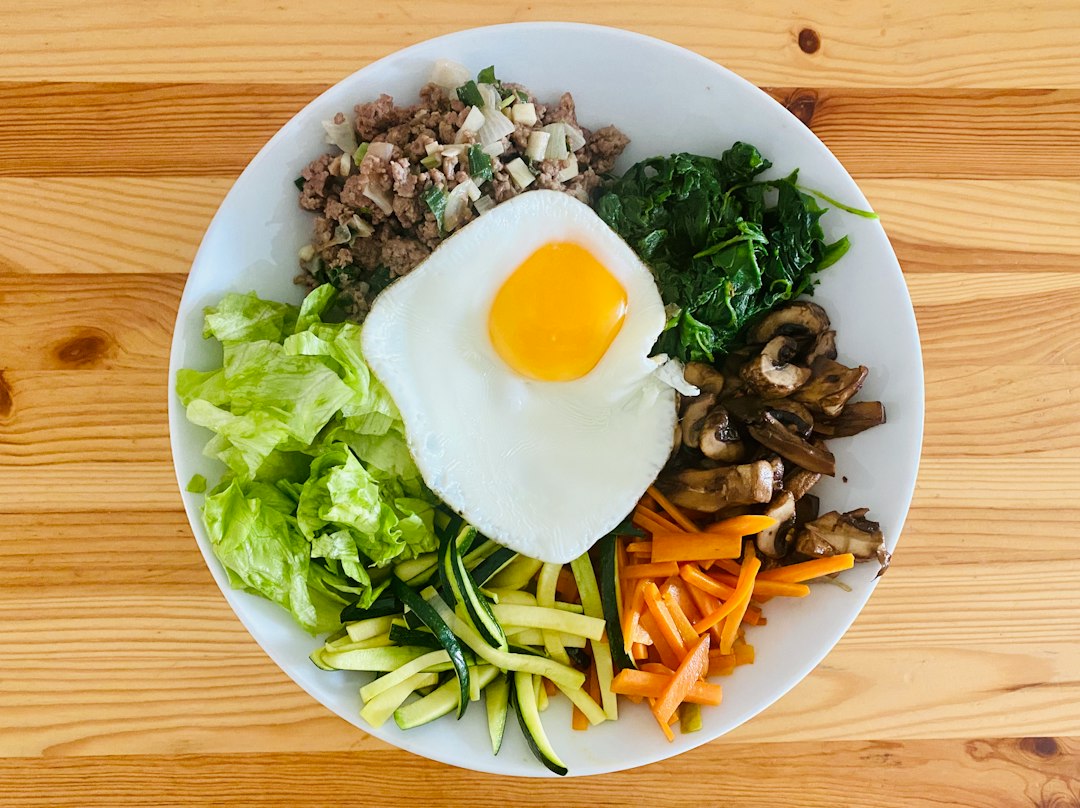
Yes. Rice can fit into a weight-management eating pattern. The useful questions are how much you eat, what accompanies it and whether the overall pattern meets your needs. Removing rice is not a prerequisite for weight loss, and eating brown rice does not make portion size irrelevant.
This article offers general food-planning guidance for adults. It does not mean everyone needs to lose weight, or that everyone should eat the same amount of carbohydrate.
Look at the whole meal before blaming rice
For adults managing overweight or obesity, NICE recommends an individualized dietary approach that keeps energy intake below expenditure while supporting nutritional balance. The recommendation does not require excluding rice or another particular staple.
A meal includes more than its bowl of rice. Cooking oil, sauces, side dishes, drinks and later snacks all form part of the day’s intake. Start by describing an ordinary meal completely. That may reveal a practical change without turning a familiar food into something forbidden.
For example, you might keep rice with a protein food and vegetables while reviewing a frequent sweetened drink or a sauce used generously. This is a way to examine the meal, not a promise that one change will produce a particular weight result.
White rice, brown rice and other carbohydrate foods
The NHS includes rice among starchy foods that provide energy and recommends wholegrain choices for more fiber. Wholegrain rice still supplies carbohydrate and calories. White rice can also be considered within the overall meal, especially when it suits your preferences or individual dietary needs.
| Choice | Useful feature | What still matters |
|---|---|---|
| White rice | A familiar staple that can accompany varied foods. | Portion, meal balance and preparation |
| Brown or wholegrain rice | Can contribute more fiber. | Still a source of carbohydrate and energy |
| A mixture of grains | Offers another texture and combination of ingredients. | The actual recipe and amount eaten |
| Bread, pasta, oats or potatoes | Other starchy options for different meals. | Changing the food does not remove carbohydrate |
Carbohydrate comes from more than rice
Amounts and nutrients vary by food, product and portion.
Grains and starchy foods
Rice, bread, noodles, potatoes
Beans and lentils
Examples of legumes
Fruit and dairy foods
Fruit, milk, yogurt
Sweet drinks and snacks
Sweetened drinks, cookies
Equal carbohydrate amounts do not mean equal fiber, protein or other nutrients.
Carbohydrate is not confined to grains. Fruit, beans, starchy vegetables and some drinks also contribute it. NIDDK’s meal-planning guidance considers food choice, amount and timing together. This is especially relevant when carbohydrate is being tracked for diabetes care.
Match the nutrition entry to the food you weigh
Before comparing numbers, check whether the food is described as dry, uncooked, cooked or prepared. Food Standards Australia New Zealand explains that rice and other dry foods gain weight by absorbing water during cooking. Its nutrition-calculation guidance distinguishes cooked food data from uncooked data.
Consequently, a cooked portion should not be multiplied by an uncooked food’s per-100-g value. Use the matching preparation state and account for other ingredients in a mixed dish. Do not assume that every rice variety or cooking method produces the same final weight.
Food weight is not carbohydrate weight
Invented cooked-food values: not measured rice data or a recommended portion.
Hypothetical cooked-food value
30 g carbohydrate per 100 g
Cooked-food portion eaten
150 g
Carbohydrate in the portion eaten
30 g × 150 g ÷ 100 g = 45 g
Match the food entry to the food you weigh.
Use cooked values with cooked weight, and uncooked values with uncooked weight.
A simple portion calculation
The FDA’s label guide emphasizes reading nutrient amounts together with the stated serving size. Labels may use different bases, so identify the one on your actual product before calculating.
Hypothetical example: a food is listed as containing 30 g of carbohydrate per 100 g. Eating 150 g of that same food gives 30 × 150 ÷ 100 = 45 g of carbohydrate. These are invented values, not the measured composition of rice or a recommended personal portion. Grams of food and grams of carbohydrate are different quantities.
The food nutrition comparison tool converts manually entered per-100-g nutrient values, including carbohydrate, to a chosen portion. It does not retrieve food data automatically, predict glycemic index or glucose response, calculate insulin, or prescribe your intake. It has no fiber input field.
Choose one adjustment you can repeat
If rice is part of most meals, first notice your usual portion and accompaniments. Choose an adjustment that keeps the meal adequate and enjoyable. You could try a grain mixture, add a vegetable dish or review how much sauce you use. These are separate options; you do not need to make every change at once.
Keep appropriate protein foods and enough overall food. If a smaller meal leaves you persistently hungry or struggling with daily activities, reassess the plan rather than continuing to remove rice. Review your routine over time instead of judging it by one meal or one weigh-in.
Two reasons to be careful with abrupt carbohydrate cuts
Early scale changes after a substantial carbohydrate change can include glycogen and associated water. NIDDK researchers’ body-weight model accounts for these components. A rapid drop therefore should not be read as an equal amount of body-fat loss.
If you use insulin or another medicine that can cause hypoglycemia, discuss major food changes with your care team first. NIDDK warns that insufficient carbohydrate or skipped meals can contribute to low blood glucose. Follow your established treatment plan; do not calculate medication changes from this article or the comparison tool.
Review the whole meal before removing rice
Consider the staple, its accompaniments and what you drink.
Your usual staple portion
Notice your usual amount, then adjust it to your needs.
What accompanies it
Include appropriate protein foods and vegetables.
Extras and food outside meals
Check drinks, snacks, cooking oils and sauces too.
Using diabetes medicines? Discuss major food changes with your care team first.
Frequently asked questions
Must I switch completely to brown rice?
No. Wholegrain choices can add fiber, but preferences, tolerance, portion and the rest of your diet matter. A mixture may be a practical option.
Is replacing rice with noodles automatically better?
No. Noodles also provide carbohydrate, and their portion, preparation and accompaniments vary. Compare the actual meals rather than their names.
How many grams of rice should I eat?
There is no universal answer. Your needs depend on your overall diet, activity and health. The numerical example above demonstrates arithmetic only.
References
- NICE NG246: Physical activity and diet.
- NHS: Starchy foods and carbohydrates.
- NIDDK: Healthy Living with Diabetes.
- FSANZ: Nutrition Panel Calculator explanatory notes, section 11.1.
- FDA: How to Understand and Use the Nutrition Facts Label.
- Hall and colleagues: Supplementary appendix to the dynamic body-weight model.
- NIDDK: Low Blood Glucose (Hypoglycemia).
Prepared October 1, 2026. General education, not individualized medical or nutrition advice. Independently written and localized in English for Life Choice Note.