A Korean Meal Plan for Weight Management
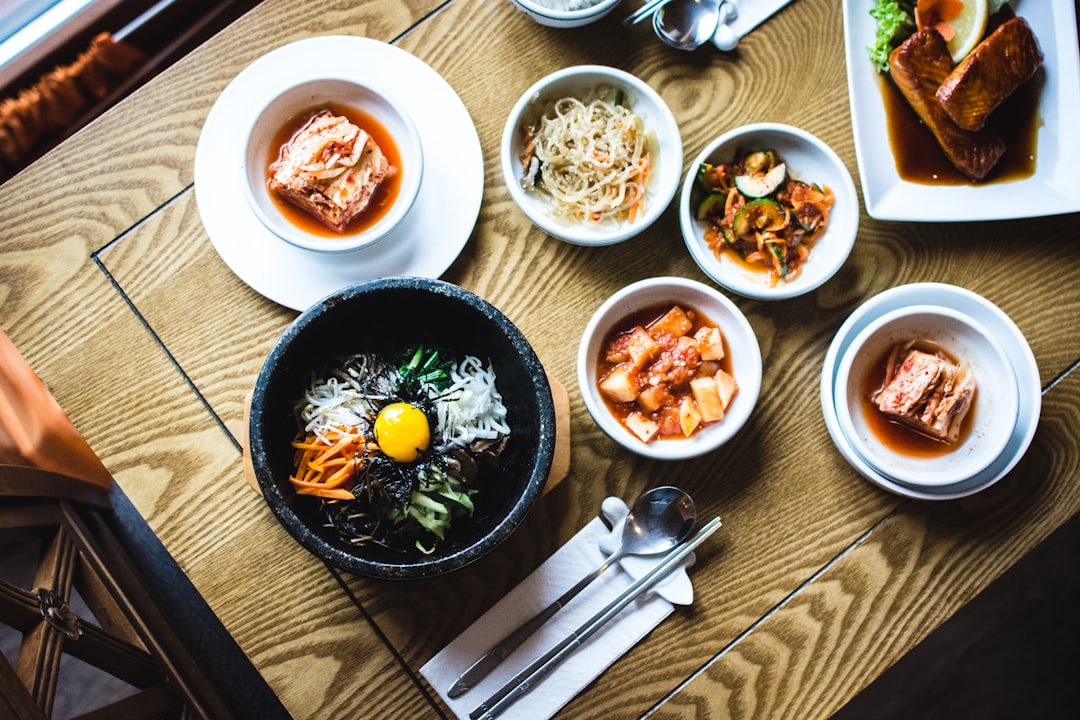
You can plan meals for weight management around familiar Korean foods. Start by looking at the rice or other staple, protein foods, vegetables and the amounts you actually eat. Broth, sauces, cooking oil and shared side dishes belong in that picture, too.
This guide offers meal-building ideas for generally healthy adults. It does not prescribe the same half-bowl of rice or calorie allowance for everyone.
Rice does not need to disappear
NIDDK identifies the idea that rice and other grains must be avoided for weight loss as a nutrition myth.[1] That does not make any portion unlimited. Consider the amount, preparation and the rest of the meal.
First define your usual bowl. A rice-cooker serving, restaurant bowl and packaged rice container may hold different amounts. “Half a bowl” is therefore not a precise or universally appropriate prescription.
Count other staples as well. If a meal contains rice alongside noodles or rice cakes, record both. You do not have to forbid that combination; simply include all of it when reviewing your intake.
Read the meal by ingredients, not by the number of dishes
A Korean table may include bap (cooked rice), guk (soup) and banchan (side dishes). Those names describe a meal format, not fixed nutrient amounts. KDCA’s general nutrition guidance supports varied food groups and individual needs.[5]
| Look for | Possible foods | Also check |
|---|---|---|
| A staple | Rice, mixed-grain rice, noodles or rice cakes | What and how much you eat |
| Protein foods | Eggs, tofu, beans, fish or lean meat | What is already in mixed dishes |
| Vegetables | Blanched vegetables, cucumber, seasoned greens | Oil, salt and added sauces |
Several small dishes are not automatically more varied than one bowl. A bibimbap can contain multiple food groups; several side dishes may all be pickled vegetables. Look inside the dishes.
Health Canada’s plate is a reference for food-group proportions, but its pictured food amounts are not instructions for how much one person should eat.[2] Keep fruit, dairy or appropriate alternatives in mind across the day. NHS guidance allows balance to be considered over a day or week, rather than demanding an identical structure at every meal.[3]
Look for a staple, a protein food and vegetables.
Staple
Rice or mixed-grain rice, for example.
Protein food
Fish, eggs or tofu, for example.
Vegetables
Blanched vegetables, leafy wraps or raw vegetables.
These are food roles, not prescribed amounts or ratios.
Consider fruit, dairy or alternatives across the day too.
Life Choice Note editorial meal example · General information, not an individual prescription.
Three adaptable meal combinations
These are alternative meal combinations, not a complete day of nutrition. They have not been calculated to provide equal calories or meet your personal nutrient needs.
| Meal style | Combination | Practical check |
|---|---|---|
| A simple meal | Rice, steamed egg and cucumber | Seasoning added to the egg dish |
| Rice and side dishes | Rice, grilled fish, blanched vegetables and a small soup | Salted fish, broth and dipping sauce |
| A one-bowl meal | Tofu-and-vegetable bibimbap, sauce separately | Rice, tofu, vegetables, oil and sauce amounts |
In the simple meal, swap the egg for another suitable protein food if that is easier to prepare. With fish, check whether it is already salted before adding sauce. A small soup bowl is not proof of a low-sodium meal.
For bibimbap, note the ingredients before mixing. Keeping gochujang or another sauce separate makes the amount you add easier to see. Prepared vegetables may already contain seasoning, so count that as part of the dish.
Pay attention to broth and sauce
KDCA recommends reviewing soup consumption and salt or seasoning use as part of sodium management.[5] Note how much broth you drink, not just the soup’s name. If rice goes into the soup, it still belongs in the meal record.
Adding water makes a broth less concentrated; it does not remove the salt already in it. Drinking all the diluted broth is different from consuming less broth. Keep taste, concentration and the total amount eaten separate in your thinking.
WHO recommends that adults consume less than 2,000mg of sodium a day, equivalent to less than about 5g of salt.[4] This covers the whole day’s food and seasonings, not an allowance for one meal. Lower sodium also does not automatically mean fewer calories.
Kimchi and namul still need context
Kimchi is a seasoned, fermented vegetable food; namul commonly refers to prepared vegetable dishes. Neither name establishes an exact sodium or calorie value. Consider the portion and recipe rather than treating a vegetable-based dish as unlimited.
If seasoned vegetables go into bibimbap and then receive extra sauce and sesame oil, those additions are part of the meal. You might compare preparations or include a less-seasoned vegetable alongside them. There is no need to classify every Korean dish as either compulsory or forbidden.
Consider the amount eaten and the preparation, not just the dish name.
Soup or stew
Note the amounts of solids and broth separately.
Sauces and oil
Serve separately so you can notice how much you use.
Kimchi or pickles
Include less-seasoned vegetable sides too.
Clear broth is not automatically low in sodium.
Consider sodium across the whole meal.
Life Choice Note editorial meal example · General information, not an individual prescription.
Adjust with a short, usable record
- Name the components: write rice, steamed egg and cucumber rather than simply “Korean food.”
- Record your portion: distinguish what you served yourself from a shared dish’s full amount.
- Include additions: sauces, oils, drinks and dessert all belong in the record.
- Choose one practical change: prepare a protein dish, add vegetables or serve sauce separately.
For packaged sides and sauces, check whether nutrition information is per package, per 100g or another reference amount, then relate it to what you ate.[6] Do not assign a precise calorie count from a dish name alone.
Also note hunger, fullness and preparation difficulties. These observations help you adapt a plan you can use. If you have medical dietary instructions, follow them; pregnancy, breastfeeding and growth need guidance separate from an adult weight-loss plan.
Look at what you ate and how you felt afterward.
Composition
Are any food groups missing?
Portions
How much did you actually eat?
Sustainability
Are hunger or fatigue becoming excessive?
There is no single half-bowl rice rule or fixed calorie target for everyone.
Life Choice Note editorial meal example · General information, not an individual prescription.
Frequently asked questions
Must everyone eat only half a bowl of rice?
No. Bowl sizes and individual needs differ. Start with the actual amount and review the whole meal.
Do soup or kimchi prevent weight loss?
A food’s name cannot determine the outcome. Review preparation, broth, seasoning, portions and the overall eating pattern.
Can I follow these three examples as a complete daily plan?
They were not designed for that purpose. They are combinations to adapt, without individualized calorie or nutrient calculations.
Use nutrition comparisons carefully
The food nutrition comparison tool scales per-100g values that you enter manually to a chosen portion. It does not retrieve official food data or prescribe a meal plan. Match the product, preparation and source; missing information is not zero.
If you want to reduce grocery costs and prep time while keeping the meal structure, also see Budget Meal Prep for Weight Management.
Sources
Checked October 1, 2026. Life Choice Note created the meal and recording examples. General information, not individualized nutrition treatment.