How Much of a Calorie Deficit Do You Need?

The size of a calorie deficit needs to fit your individual needs and be reassessed over time. It should leave room for nourishing meals, everyday activity and a pattern you can maintain. This guide explains the arithmetic for adults considering weight management; it does not mean everyone needs to lose weight.
What a calorie deficit actually means
A calorie deficit occurs when energy intake is below energy expenditure over time. The UK’s NICE guideline NG246 recommends an individual approach that considers food preferences, circumstances and health conditions while preserving nutritional balance.
“Eating less than yesterday” does not necessarily establish a deficit. Yesterday’s intake might already have exceeded your needs—or been too low. The relevant comparison is with your estimated total daily energy expenditure (TDEE), which includes resting energy use, daily movement, digestion and exercise.
Illustration only: assumed TDEE of 2,200 kcal/day minus intake of 1,800 kcal/day equals an estimated deficit of 400 kcal/day. These are hypothetical inputs, not a measured energy balance, a recommended intake or a promise of weight loss.
A deficit compares intake with total energy use
Hypothetical daily calculation. Energy use and intake are assumed estimates.
Total daily energy use
2,200
kcal/day
Energy intake
1,800
kcal/day
Estimated deficit
400
kcal/day
2,200 − 1,800 = 400 kcal/day
TDEE = rest + daily movement + exercise + digestion
If usual exercise is already included in TDEE, do not add the same workout calories again.
An arithmetic example, not a personal intake target or a promised rate of loss.
Why “cut 500 calories” is not a universal plan
The same 500 kcal is a different share of need
Two hypothetical daily energy requirements, each shown as 100%.
Assumed need: 1,800 kcal/day
500 ÷ 1,800 × 100
About 28%
Dark green: the 500 kcal share
Assumed need: 2,800 kcal/day
500 ÷ 2,800 × 100
About 18%
Dark green: the 500 kcal share
These percentages are comparisons, not a recommended or safe restriction range.
The same subtraction can be a very different proportion of someone’s needs. The calculations below illustrate scale; neither row is an eating recommendation.
| Assumed daily need | Example reduction | Share of assumed need |
|---|---|---|
| 1,800 kcal | 500 kcal | 500 ÷ 1,800 ≈ 27.8% (about 28%) |
| 2,800 kcal | 500 kcal | 500 ÷ 2,800 ≈ 17.9% (about 18%) |
A fixed number alone cannot tell you whether the remaining food provides enough nutrition or fits your medical needs. NICE’s rationale for dietary recommendations notes that study deficits varied and were often individualized, so the committee did not specify a particular deficit.
Use a calculator as a starting estimate
The Life Choice Note BMR/TDEE calculator distinguishes an estimate of resting energy use from estimated daily energy needs. Resting metabolism describes energy use at rest; it is not a personalized minimum safe intake.
Its Mifflin–St Jeor estimate concerns resting metabolic rate. Its NASEM 2023 estimated energy requirement is a separate calculation, not simply the resting estimate multiplied by an activity factor. The tool’s intended context is adults aged 19 or older, with a weight-stable reference setting outside pregnancy and breastfeeding. Neither output is a calorie prescription.
Choose inputs that reflect your ordinary routine. If your expenditure estimate already includes your usual exercise, adding the same workout calories again double-counts that activity. Avoid treating a calculator result as an exact measurement.
Turn the estimate into a workable routine
First, understand your current pattern
Record a few ordinary days, including drinks, snacks and weekends. Note hunger, activity and sleep alongside food. The CDC’s weight-management guidance recommends observing your starting habits and choosing specific, realistic goals.
Then choose a manageable change
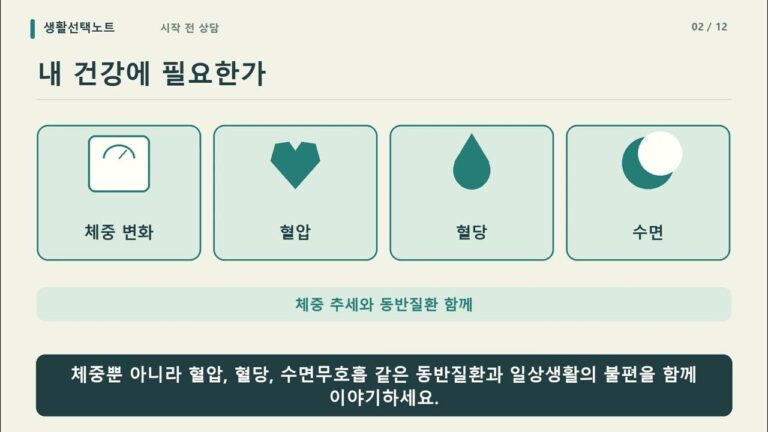
For example, review a frequent sugary drink or a snack eaten automatically. Keep regular, nourishing meals rather than trying to make the calculated gap as large as possible. If the change leaves you persistently hungry or unable to function well, review the plan instead of assuming you need more willpower.
Review the pattern, not one weigh-in
Use comparable weighing conditions and look across repeated measurements. The weight and waist log provides a blank printable record; it does not calculate a weekly average automatically. You can add notes about meals, activity and symptoms and review the record yourself or with a professional.
Review the pattern and how you feel
One weigh-in cannot determine your intake needs or the right next change.
Day-to-day weight changes
Next step: Record under comparable conditions. Look across repeated measurements.
A trend differs from expectations
Next step: Review meals, drinks, snacks and activity, plus sleep, medicines and symptoms.
Severe hunger, dizziness or binge eating
Next step: Do not keep cutting intake. Discuss your health and eating plan with a professional.
Reassess both the weight trend and your ability to eat and function well.
Why the arithmetic cannot promise a weekly result
The familiar “3,500 calories equals one pound” shortcut treats weight change as a fixed conversion. NIDDK researcher Kevin Hall explains that energy expenditure adapts as weight changes, so that shortcut can overpredict loss.
Hall and colleagues’ research models these changes dynamically. It supports reassessing expectations rather than multiplying an initial deficit into a guaranteed deadline. The NIH Body Weight Planner offers another estimate for eligible adults; it still does not provide certainty or replace individual care.
When to get individual advice first
Seek professional guidance before deliberate restriction if you are pregnant or breastfeeding, still growing, experiencing unintentional weight loss, or have an eating-disorder history or a condition requiring a therapeutic diet. Persistent dizziness, weakness or difficulty eating adequately is a reason to review your approach.
If you use insulin or a medicine that can cause low blood glucose, discuss food and activity changes with your diabetes team. NIDDK notes that skipped meals and increased activity can raise hypoglycemia risk. Do not change medication doses based on this article.
Frequently asked questions
Do I have to count every calorie?
No. A record can help you notice patterns, but calorie counting is one possible method. Choose a sustainable approach, particularly if tracking causes distress.
If my weight has not fallen, should I immediately cut more?
No. Review repeated measurements, your routine and the assumptions behind the estimate first. A short period does not establish that a larger restriction is appropriate.
Can exercise create part of the deficit?
Yes, activity contributes to expenditure. Account for it consistently, avoid counting it twice, and consider its benefits beyond the scale.
References
- NICE NG246: Physical activity and diet.
- NICE NG246: Rationale and impact.
- CDC: Steps for Losing Weight.
- NIDDK: About the Body Weight Planner.
- NIDDK: NIH Body Weight Planner, Kevin Hall.
- Hall KD, et al. Quantification of the effect of energy imbalance on bodyweight. Lancet. 2011;378:826–837.
- NIDDK: Low Blood Glucose (Hypoglycemia).
Prepared October 1, 2026. General education, not individualized medical or nutrition advice. No independent clinician review was performed. The planned thumbnail is an AI-generated illustrative scene, not a recommended meal portion.