Living Well After a TB Diagnosis: Daily Life, Records and Follow-up
Plan daily life and follow-up after a TB diagnosis. Learn what to record and why return to work or school depends on individual clinical and local advice.

Plan daily life and follow-up after a TB diagnosis. Learn what to record and why return to work or school depends on individual clinical and local advice.

Children, older adults, pregnancy and immune conditions can change TB assessment and treatment planning. Prepare questions for individualized clinical care.

Learn which TB medicine symptoms need urgent contact, why a complete medicine list matters, and why doses and interacting medicines need clinician review.

TB symptoms can improve before treatment is complete. Learn how follow-up, test results and practical support help keep treatment on track safely.

Latent TB treatment reduces the risk of future TB disease. Learn why active disease must be excluded first and what to discuss before starting treatment.

After a household or workplace TB exposure, learn why contact assessment, testing timing and follow-up depend on the situation—not symptoms alone.
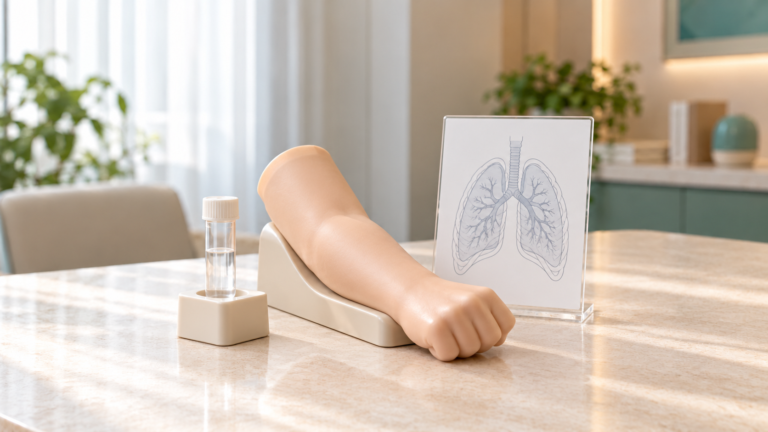
Understand what IGRA, TB skin tests, chest X-rays and sputum tests can and cannot tell you, including BCG and the limits of a negative result.

Learn when a persistent cough needs assessment, how TB exposure changes the next steps, and which symptoms need prompt or emergency medical attention.

Understand TB disease, latent TB infection and infectiousness, plus what to ask after a positive infection test. A practical guide, not a self-diagnosis tool.
Prepare for gout follow-up with flare records, target urate, kidney and cardiovascular history, a complete medicine list and an individual testing plan.
Gout is linked to stones, but not every stone is made of uric acid. Learn urgent symptoms, the role of testing and individual fluid and dietary planning.
Plan sustainable weight management, distinguish flare-time rest from regular activity, and avoid dehydration while respecting prescribed fluid limits.