Emotional Eating Recognizing Patterns and Finding Support
Record emotional eating without blame. Explore hunger and emotions, avoid restrictive compensation and recognize when professional support matters.
Record emotional eating without blame. Explore hunger and emotions, avoid restrictive compensation and recognize when professional support matters.

Understand sleep, appetite and the limits of a sleep-extension trial. Use a practical sleep diary and recognize snoring, apnea and daytime sleepiness.

Build short activity breaks into home and work. Distinguish breaking up sitting from moderate exercise and make a realistic weekly movement plan.
Separate Zone 2 fuel use from long-term fat loss. Understand heart-rate formulas, different zone models, the talk test and medication-related limits.
Understand strength training during weight loss, the difference between lean mass and strength, beginner planning, recovery and warning signs.

Life Choice Note explanatory illustration. It is not an individual meal plan or recommended serving size. To reduce calories from drinks, check the size you actually drink before changing the ingredients. A larger sweetened coffee, repeated juice refills or a generous pour of alcohol can be easy to leave out of a food record. Calories,…
Life Choice Note explanatory illustration. It is not an individual meal plan or recommended serving size. Takeout can be part of a weight-management eating pattern. Before choosing a dish, decide how much to order, what comes with it, and whether leftovers can be stored safely. A single delivery meal does not call for punishment at…

Life Choice Note explanatory illustration. It is not an individual meal plan or recommended serving size. Bibimbap, gukbap and Korean barbecue can all fit into a weight-management eating pattern. The useful comparison is the actual meal: its portion, protein and vegetables, cooking method, sauces, broth and drinks. A dish name cannot tell you its exact…
Life Choice Note explanatory illustration. It is not an individual meal plan or recommended serving size. A 1,200-calorie target is not a universal safe minimum or a suitable weight-loss plan for every adult. A calorie total cannot show whether you are eating enough protein and other nutrients, whether your medication makes restriction risky, or whether…
Compare low-carb and low-fat diets, longer-term evidence, food quality and practical fit, with precautions for medication and health conditions.

Intermittent fasting and daily calorie restriction can overlap. Compare the evidence, meal quality and practical fit before choosing a routine.
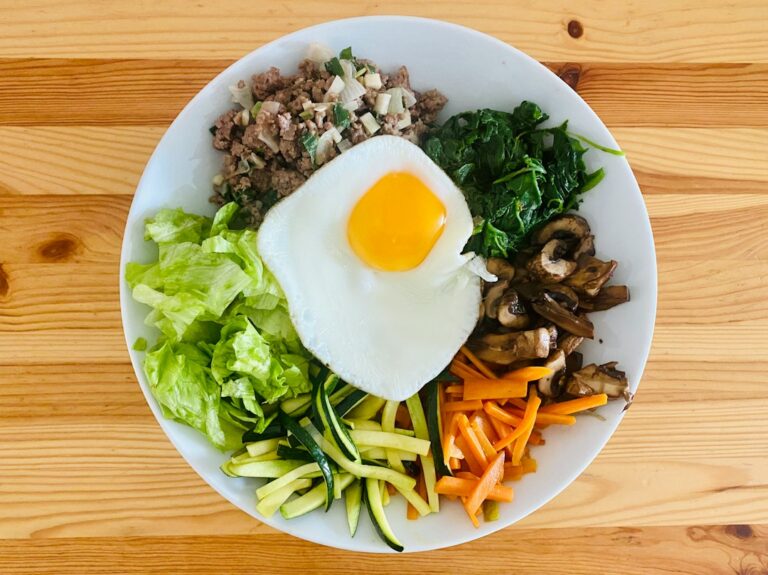
Rice does not need to disappear from a weight-management meal. Consider the whole meal, portion, grain choice and preparation before changing your routine.