Fiber and Fullness: Building More Satisfying Meals
Fiber-rich foods can support fullness as part of an adequate, varied meal. Learn practical food combinations, label arithmetic and when to seek advice.
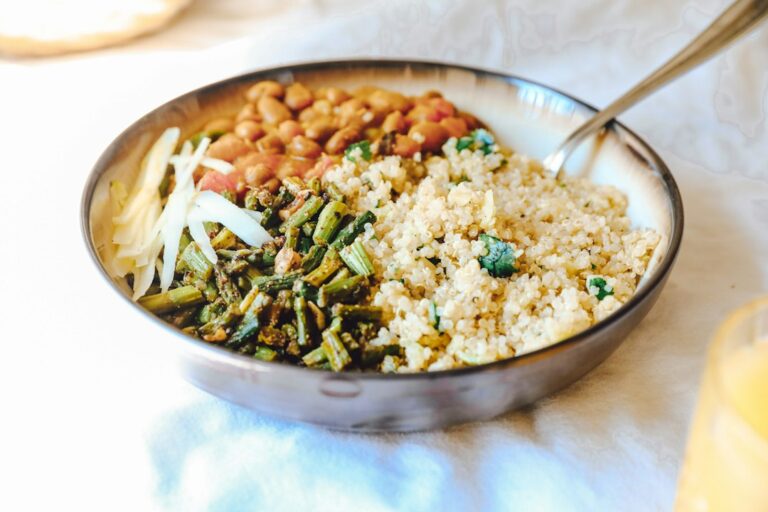
Fiber-rich foods can support fullness as part of an adequate, varied meal. Learn practical food combinations, label arithmetic and when to seek advice.
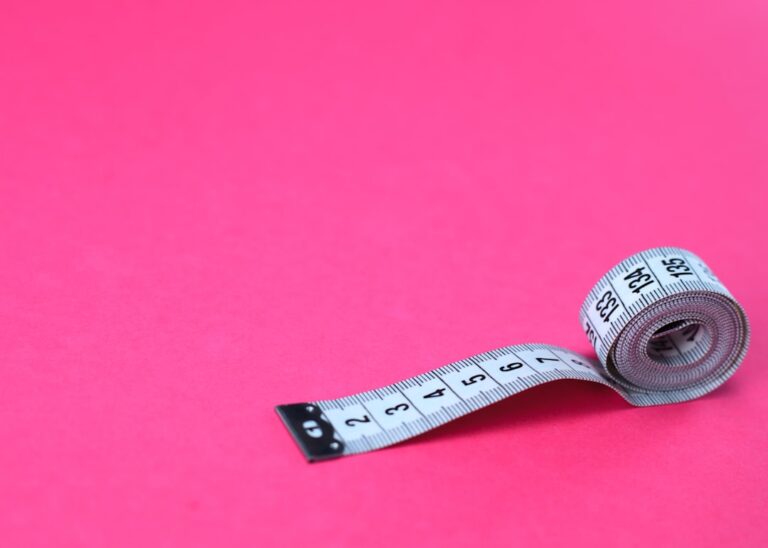
A scale measures total body weight, not just fat. Learn how to interpret changing readings, record useful context and recognize symptoms that need assessment.
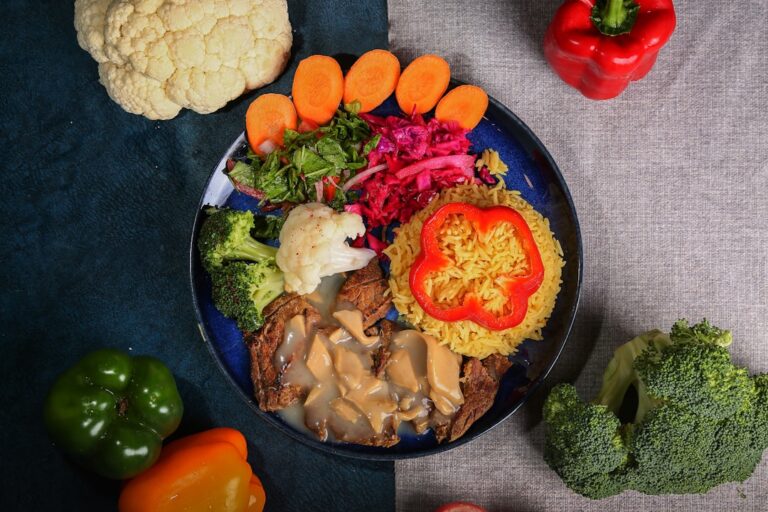
A calorie deficit is an estimate to personalize and reassess. Learn what the numbers mean, how to avoid double-counting exercise, and when to get advice.

A high protein number does not establish a complete meal. Compare the intended use, prepared drink and realistic serving cost before choosing a shake.
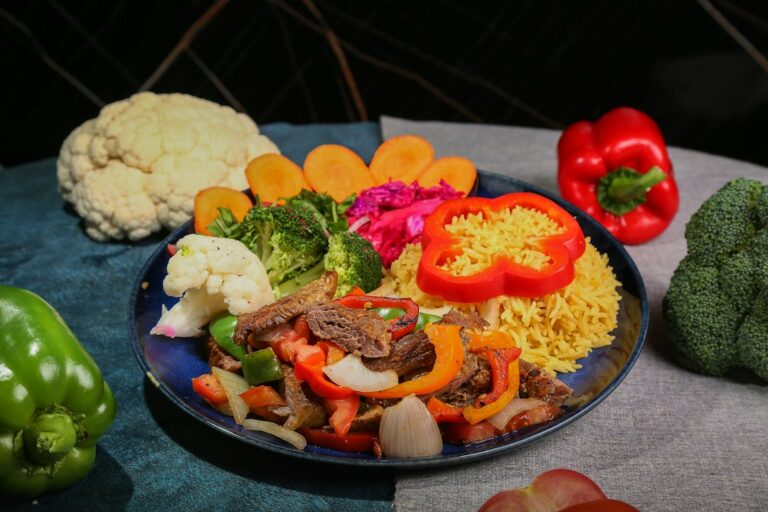
Review your current needs, keep repeatable meals and activities, and monitor trends without chasing an identical daily weight. Includes a practical maintenance record example.
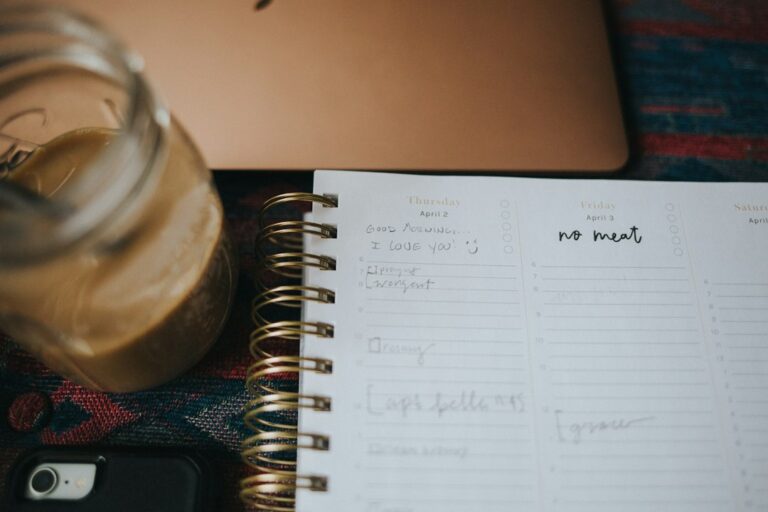
When earlier weight loss slows, review comparable records and daily context. Six checks help organize observations without diagnosing a plateau or prescribing calorie cuts.

Walking can support weight management without guaranteeing a result from a step count. Learn how to total activity, start gradually and keep useful records.
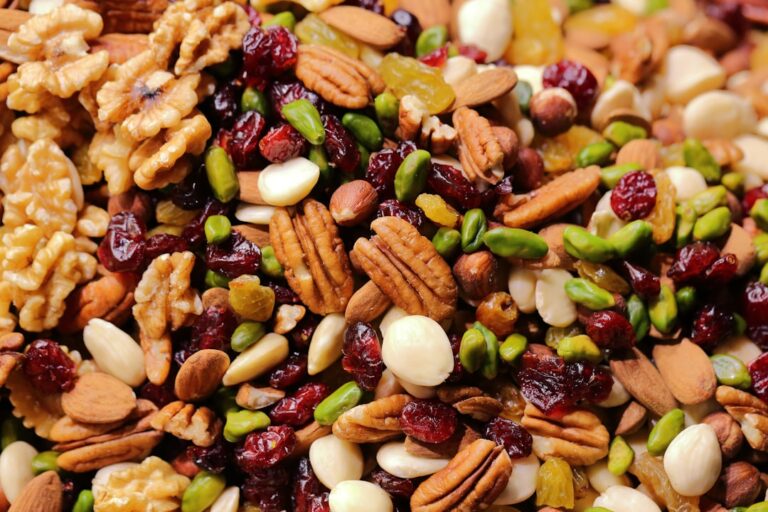
A common weight shows nutritional differences, while actual portions change the numbers. Use food-specific data and label checks to choose a snack that fits your eating plan.
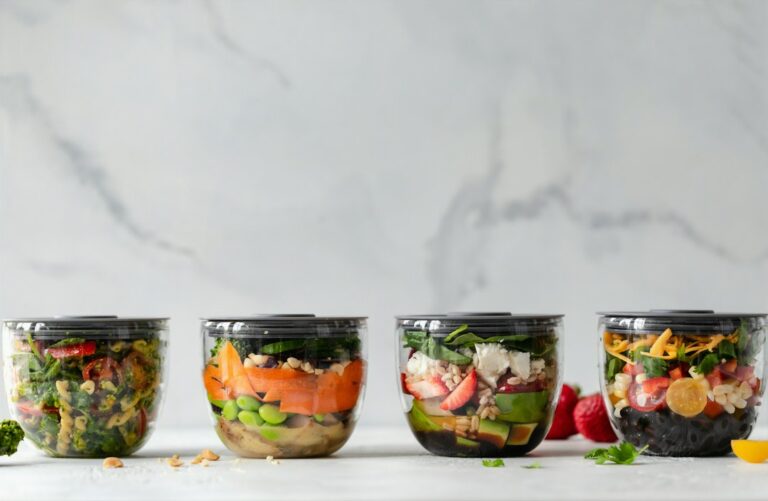
Review rice balls, sandwiches and dosirak before adding extra products. Worked examples separate label amounts from portions and unit price from checkout cost.

Rice, soup and banchan can fit a practical meal plan. Learn to review ingredients and portions, adapt three familiar combinations and record sauces and shared sides.
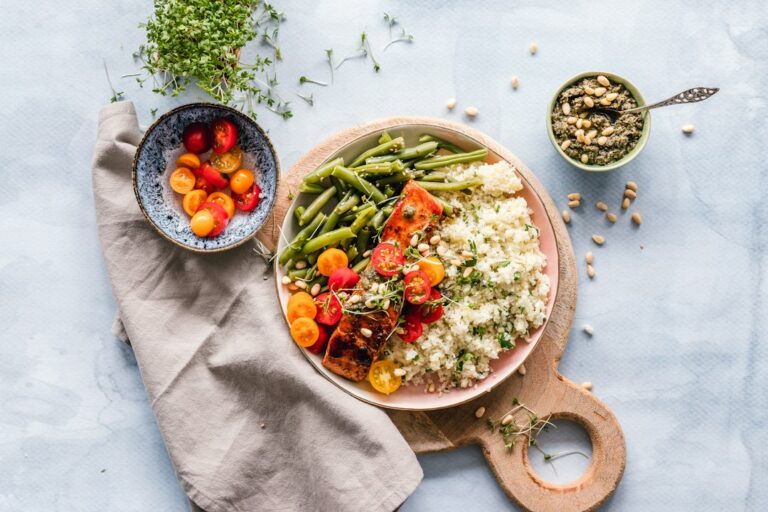
Start with protein already in your meals. Learn why reference intakes, research ranges and food weights are different, then use portion-based label calculations to plan your next step.
Daily weighing is not essential. Learn how to keep measurements comparable, interpret weekly averages and use a weight and waist log without treating each reading as a verdict.