How to Set a Realistic Weight-Loss Goal: Start With 5%
A first weight goal is a checkpoint to review. Worked examples show how to calculate 5% and 10%, keep a consistent baseline and pair a target with practical actions.

A first weight goal is a checkpoint to review. Worked examples show how to calculate 5% and 10%, keep a consistent baseline and pair a target with practical actions.

Resting energy and daily calorie needs answer different questions. A worked example explains the estimates, their limitations, and how to use them alongside real-life records.

BMI relates weight to height, while waist size adds information about abdominal fat. Learn how to use both measurements without turning a screening category into a personal diagnosis.

Match supplement recall notices to your bottle, lot and dates. Learn when to seek care, what to document and how to follow current FDA reporting guidance.
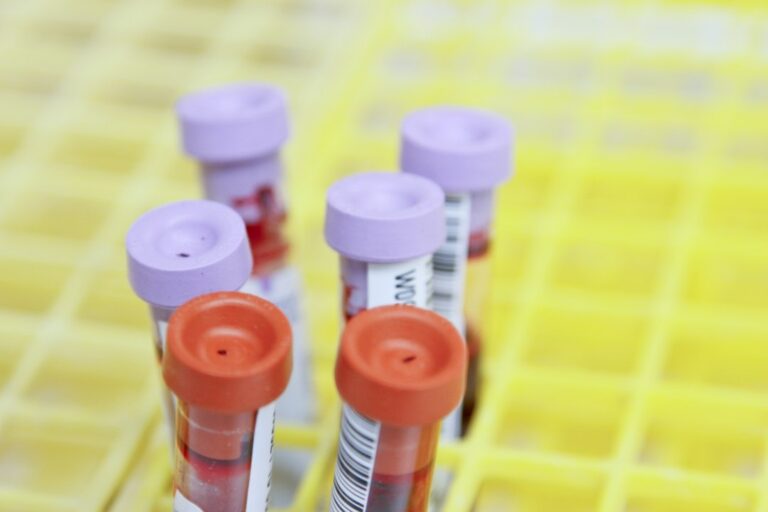
Build a supplement timeline before lab tests. Understand biotin, thyroid and troponin interference, real vitamin D changes and test-specific instructions.

A liver-support label does not prove safety. Review herbal extracts, product timelines, warning signs, U.S. label limits and your prescribed care plan.

Bring supplement labels, blood results and medicines to your CKD review. Compare mineral, vitamin, herbal and protein risks before adding products.
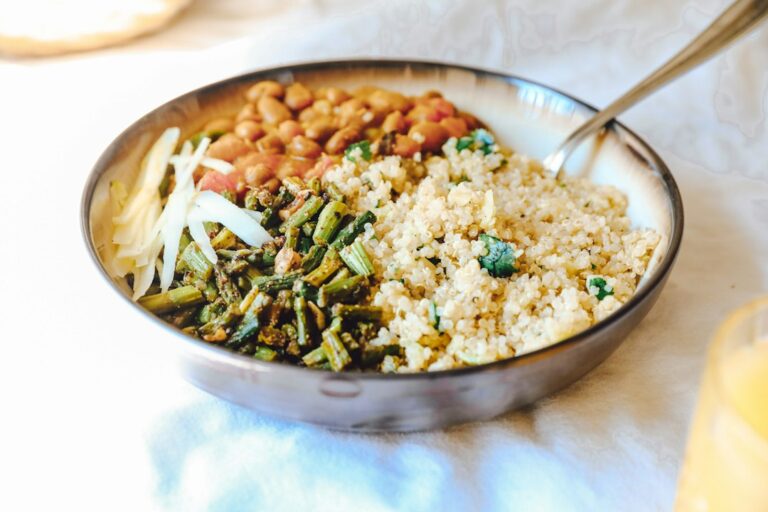
Compare probiotics, prebiotics and fiber by your gut-health goal. Read strain, CFU and serving labels, weigh psyllium evidence and check safety.

Do immune supplements prevent colds or shorten them? Compare vitamin C, D, zinc and elderberry evidence, U.S. labels, interactions and risks.

Audit your prenatal label before adding folic acid, iron or vitamin D. Check serving sizes, DFE, gummy gaps, vitamin A forms and pregnancy safety.

Menopause blend not helping? Review symptoms, ingredients, soy foods versus isoflavones, black cohosh evidence and safety before buying another bottle.

Considering alpha-lipoic acid for nerve symptoms or weight loss? Compare short-term findings, six-month evidence, interactions and rare low-blood-sugar risk.