Prenatal Supplements: What to Check Before Adding More
A prenatal vitamin, a separate folic acid tablet, an iron capsule and vitamin D drops can look like a sensible safety net. Before adding another bottle, check what your current products actually provide. This audit focuses on U.S. labels: the serving, the nutrient form and the units matter as much as the number on the front. Bring the results to your prenatal care team.
Start with the serving you actually take
The FDA explains that Supplement Facts lists amounts per serving. A serving may contain several gummies or capsules. If the panel describes two gummies and you take one, you are getting half the listed amount. Copy the serving size and your actual use before comparing products, including powders, drops and other multivitamins.
| Label field | What to record |
|---|---|
| Serving size | Number of tablets, gummies or measured drops |
| Folate | DFE, actual folic acid amount and named form |
| Iron | Amount listed, or absence from the panel |
| Vitamin D | mcg and IU for the same serving |
| Vitamin A | Retinol or retinyl forms, beta-carotene, or a mixture |
Folic acid: the parentheses change the reading
CDC recommends 400 mcg of folic acid daily for people who could become pregnant. It matters before pregnancy is recognized because the neural tube develops early. If planning pregnancy, start at least one month before conception. Supplements and fortified foods can contribute; ordinary food folate is a different form.
On U.S. labels, folate appears in dietary folate equivalents, or DFE. If folic acid is present, its actual amount appears in parentheses. CDC’s label explanation shows that 400 mcg folic acid corresponds to 667 mcg DFE. Those are two ways of expressing the same contribution, not two ingredients to add together.
The U.S. pregnancy RDA is 600 mcg DFE from total intake. It does not mean everyone needs an additional 600 mcg folic acid tablet. A previous pregnancy affected by a neural tube defect or another specific risk needs a clinician’s plan; do not build a high-dose regimen by stacking prenatals.
A gummy may leave the iron question unanswered
The NIH pregnancy fact sheet notes that gummy prenatals often contain no iron. “Prenatal” therefore does not guarantee the same nutrient coverage across formats.
Check the panel, then discuss your diet, pregnancy history and any blood-test results before adding iron. Anemia treatment and routine nutrient coverage are different decisions. NIH advises pregnant people to discuss iron supplementation with their care provider; high supplemental amounts can cause nausea and constipation. Mention medicines too: iron can interfere with levothyroxine. Keep iron-containing products securely away from children.
Vitamin D: convert units before comparing bottles
Vitamin D may be labeled in mcg, IU, or both. NIH lists 1 mcg as 40 IU; 15 mcg and 600 IU describe the same amount. The U.S. pregnancy RDA is 15 mcg (600 IU) in total intake, rather than an automatic additional tablet dose.
Add together the vitamin D supplied by your prenatal and separate supplements using one unit. A deficiency, relevant illness or prescribed treatment may change the plan. Ask whether your circumstances call for testing or a different intake; the label alone cannot answer that.
Check vitamin A forms and optional ingredients
Preformed vitamin A includes retinol, retinyl acetate and retinyl palmitate. Excessive preformed vitamin A can cause birth defects. Beta-carotene is a provitamin A form and does not carry that same pregnancy toxicity concern. This distinction is a reason to examine the form and total exposure, rather than avoid every product containing vitamin A. Avoid adding high-dose preformed vitamin A without medical direction. Avoid cod liver oil during pregnancy; it can contain vitamin A and is different from ordinary fish oil.
Check the full ingredient list for herbal extracts and “pregnancy support” blends. NIH notes that most botanicals lack adequate pregnancy safety and effectiveness evidence. A familiar plant name or “natural” claim does not establish that a concentrated supplement is suitable. Do not add weight-loss or detox blends without your care team’s review.
Independent quality testing can help check manufacturing, contents and contaminants. It does not guarantee pregnancy safety or benefit. It also is not FDA approval: FDA does not approve dietary supplements for safety and effectiveness before sale.
If taking the prenatal makes you feel worse
If nausea, vomiting or constipation prevents consistent use, contact your prenatal care team about a tolerable plan. Describe which product triggers symptoms and what you can keep down. Repeatedly replacing it with a different blend may leave the underlying problem unresolved.
Seek medical care immediately for severe vomiting with inability to keep fluids down, or concerning dehydration symptoms. CDC’s urgent maternal warning signs include being unable to drink for more than eight hours, and severe nausea with dry mouth, dizziness or confusion.
Three quick questions
Does an MTHFR variant require methylfolate?
No. CDC states that people with common MTHFR variants can process folic acid. The variant alone is not a reason to replace it with methylfolate.
Is a prenatal gummy always incomplete?
Formulations vary. Check the actual panel and discuss any missing nutrients in the context of your diet and care plan.
What should I bring to an appointment?
Photos of every label, actual servings taken, your medicine list, recent results and symptoms. Ask which additions fill an identified need.
Related guides
- Reading folic-acid and folate labels in pregnancy
- Checking overlapping ingredients across supplements
- How to check supplement–medicine interactions
- How to read a supplement label
General health information, checked September 30, 2026. This article does not replace medical assessment or provide a personal prescription.
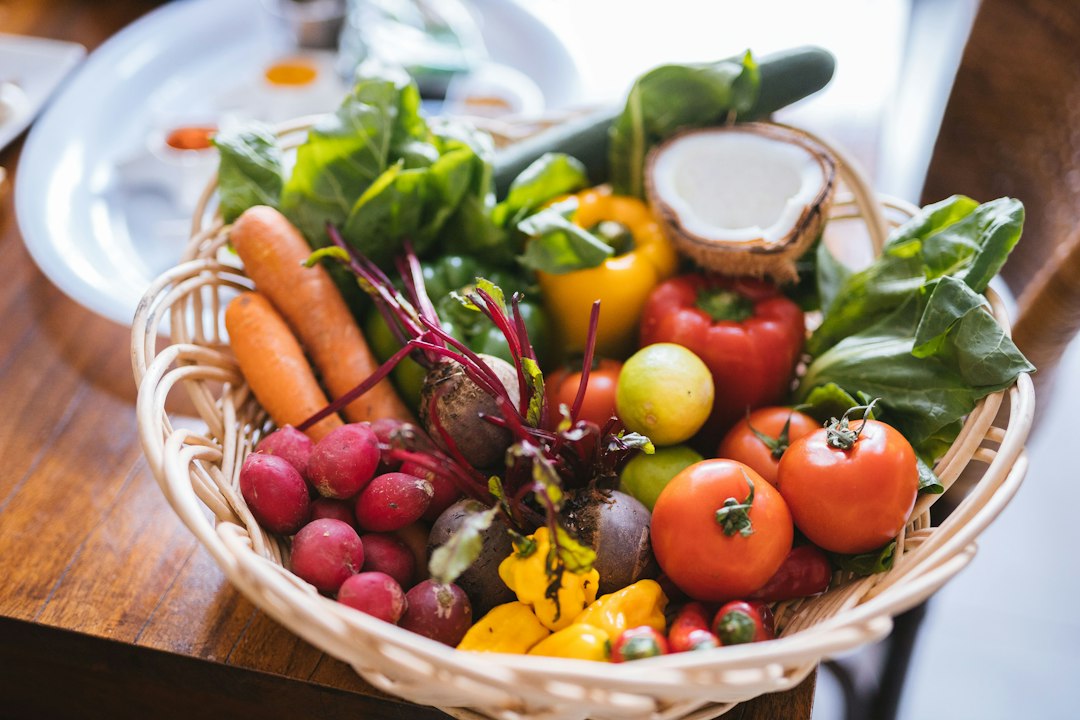
An illustrative stock photo for reviewing food and supplements before pregnancy; it is not an individual diet prescription or evidence of a supplement benefit. Photo: Vije Vijendranath / Unsplash.