Probiotics, Prebiotics or Fiber: Start With Your Gut Goal
A shelf of “gut health” products offers several different things: live microbes, food for microbes and fiber that changes stool bulk or consistency. Before choosing one, name the problem you want to improve. Easier bowel movements, less straining and less bloating are useful goals; a bigger bacterial count on a bottle is not an outcome.
Name the change you want
Write down what bothers you and what improvement would look like. For constipation, consider stool hardness, straining and incomplete emptying as well as frequency. For bloating, note its timing and effect on daily life. These observations help a clinician assess symptoms; they do not diagnose IBS or identify a missing bacterium. Medicines, including some iron supplements, can contribute to constipation, so bring your current list to the review. NIDDK explains these symptoms and possible causes.
Three categories, with important overlap
| Category | What it provides | What to match |
|---|---|---|
| Probiotic | Live microorganisms with a demonstrated health benefit when given in adequate amounts. | Specific strain, product and condition. |
| Prebiotic | A substance selectively used by host microorganisms, producing a health benefit. | Specific ingredient and evidence for the intended outcome. |
| Dietary fiber | A food component; some forms help stool passage. | Fiber type, symptoms and tolerance. |
Many studied prebiotics are fibers, but not every fiber qualifies as a prebiotic. The label requires evidence of selective microbial use and a health benefit, according to the ISAPP definition. The categories can overlap; “prebiotic” is not a superior grade of fiber. Likewise, fermented food is not automatically a probiotic: its microbes and demonstrated benefits matter, as NIH ODS explains.
Match the evidence to the problem
For adults with chronic idiopathic constipation, the 2023 AGA/ACG guideline conditionally suggests fiber supplements, with low-certainty evidence. Of the fibers it evaluated, psyllium appeared effective; evidence for bran and inulin was limited or uncertain. The psyllium evidence came from a few older trials with methodological limitations. This is a reason to consider a particular fiber for a particular problem, not proof that every fiber blend works. The guideline excluded IBS with constipation and constipation caused by other medical conditions.
A probiotic trial also needs a close match: the same strain or combination, relevant product formulation and the same clinical problem. A result for one product does not establish an effect for every member of its species. For symptomatic IBS, the AGA’s 2020 guideline recommends probiotic use only in a clinical trial. This does not mean every study was negative; it means a generic recommendation for any probiotic would outrun the evidence.
Make one change you can evaluate
First review everyday fiber sources, such as fruit, vegetables and whole grains, rather than assuming a supplement is the starting point. MedlinePlus emphasizes a fiber-rich diet alongside adequate liquids when discussing psyllium. Increase fiber gradually, with fluids suited to your health needs and any prescribed fluid restriction.
If a supplement fits your situation, change one thing at a time. Record the product, actual servings, stool comfort and bloating; agree on a review point when seeking professional advice. Follow label directions and duration limits. A combination of several new products makes improvement or side effects harder to interpret. Inulin can increase gas, and its constipation evidence is uncertain; worsening bloating is not proof that a prebiotic is “working.” Reassess persistent symptoms rather than repeatedly adding ingredients.
Read the U.S. label in three different ways
For probiotics, look for the genus, species and strain, then the use-by date and storage instructions. CFU means colony-forming units, an estimate of viable microbes. Prefer information about CFU through the use-by date rather than only at manufacture: counts can decline. Some products need refrigeration; others do not. A higher CFU number alone does not establish greater benefit. These are NIH ODS label checks, not a ranking system.
For a fiber food or powder, distinguish grams of dietary fiber from the weight of the entire serving. Read the amount per stated serving, then note how many servings you actually use. Foods use Nutrition Facts; supplements use Supplement Facts. Both give amounts per serving. For a prebiotic blend, identify the ingredients rather than assuming its combined weight matches a studied ingredient.
Safety can change the choice
Psyllium must be taken with the liquid required by its label; never swallow dry powder. Too little liquid can cause choking or blockage of the throat or esophagus, as the DailyMed label warns. Do not self-start it if you have swallowing difficulty or a suspected intestinal blockage. Seek urgent help for breathing or swallowing difficulty after taking it. MedlinePlus covers these precautions. Ask a pharmacist about your medicines and any necessary spacing; a single timing rule does not fit every medicine.
People who are severely ill or immunocompromised should discuss probiotics with their care team because infection risk is greater, according to NCCIH. Hospitalized premature infants have a distinct risk of invasive infection; these adult shopping tips do not apply to them, as the FDA warning makes clear.
Constipation with rectal bleeding, blood in stool, constant abdominal pain, vomiting, inability to pass gas or unexplained weight loss needs prompt medical assessment, not another product trial. NIDDK lists these warning signs.
Frequently asked questions
Is every fiber a prebiotic?
No. A prebiotic needs evidence of selective microbial use and a health benefit; fiber alone does not establish that.
Are fermented foods always probiotics?
No. Fermentation alone does not establish that identified live microbes deliver a demonstrated benefit.
Does the highest CFU count win?
No. Strain, product, condition, viable count through shelf life and storage matter more than comparing the largest number.
Related guides
- Choosing a probiotic by strain, CFU guarantee and evidence
- Psyllium goals, water and medicine timing
- Fitting supplement timing around meals and medicines
- What to check about supplement–medicine interactions
General information for adults, checked September 30, 2026. This article does not replace medical assessment or provide a personal prescription.
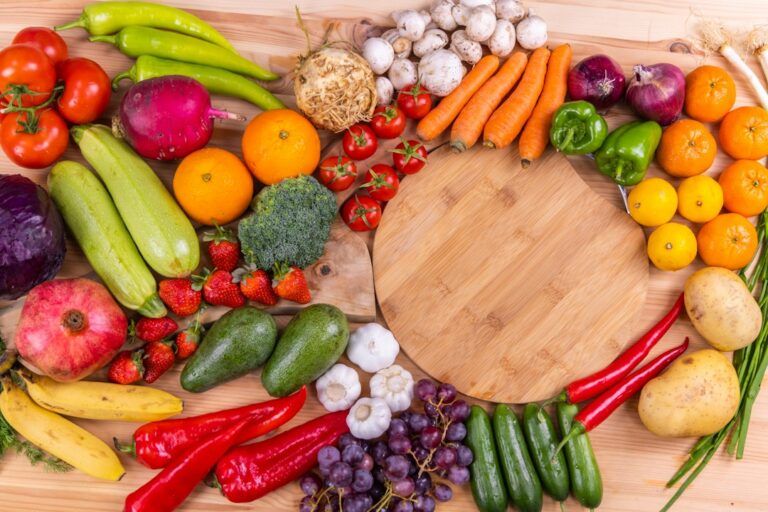
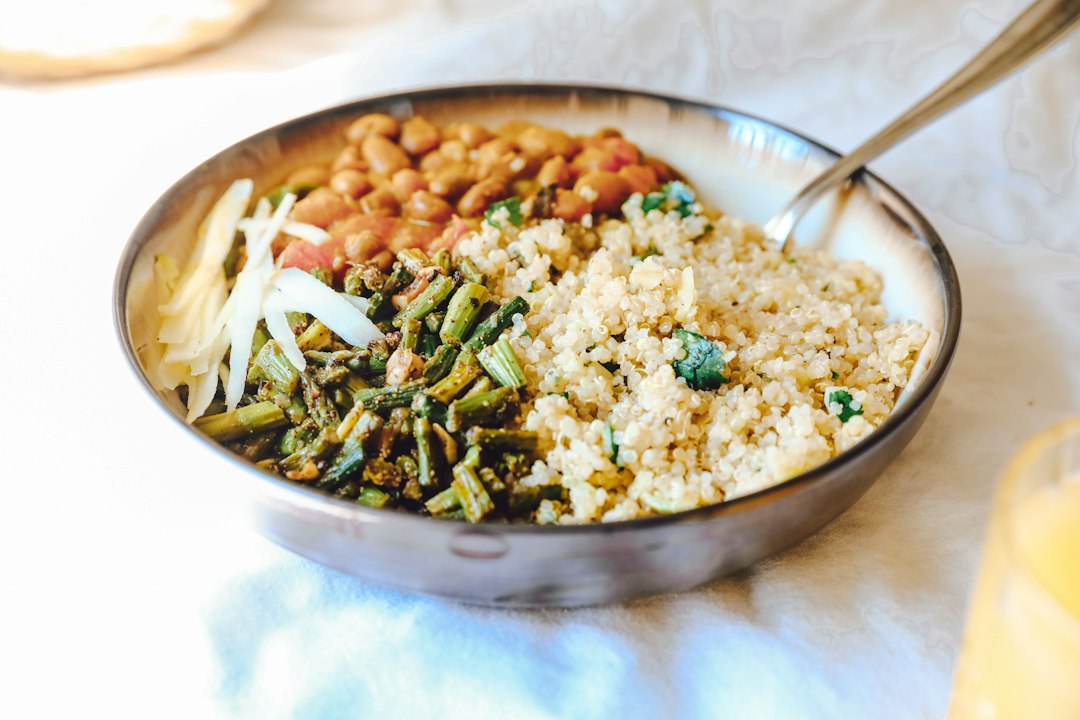
An illustrative stock photo for discussing fiber-containing foods; it does not demonstrate treatment of constipation or IBS by a food or product. Photo: Shashi Chaturvedula / Unsplash.