Supplements After 50: What to Review When Your Routine Changes
The stairs feel different after a long spell of inactivity. Lunch has become smaller since your working routine changed. A new prescription has joined the bottles beside the kettle. These changes can make a supplement review useful after 50, but they do not all call for another pill. Start with what has changed, then decide whether the response belongs in your meals, activity plan, medical care, or supplement routine.
When everyday tasks start taking more effort
Notice the task, not just the feeling of being older. Is carrying groceries harder, or are you using your arms more to rise from a chair? Record when the change began and whether pain or reduced activity came first. These observations do not diagnose protein deficiency or sarcopenia. A clear decline in function deserves assessment rather than an automatic switch to a stronger protein powder.
Resistance training can help preserve muscle and mobility as people age. Choose activities suited to your current ability, getting help with a safe starting point if you have balance concerns or relevant health conditions. A muscle supplement does not replace a plan for using your muscles. NIA on strength training and aging
When meals get smaller or less varied
Look at an ordinary day. A light breakfast, a skipped lunch, and a reasonable dinner may leave gaps that a general impression of “eating well” misses. Check where protein foods appear and whether chewing, appetite, shopping, or cooking has become a barrier. Fish, eggs, beans, dairy, and appropriate alternatives offer different ways to build meals. Meal-planning ideas from the National Institute on Aging
A supplement may help fill an identified gap when food alone is difficult. First decide which gap it is filling. If a shake makes you too full to eat a meal you previously enjoyed, review the whole day rather than celebrating the protein number on its label. Unintentional weight loss is another reason to seek advice. An age-labelled multivitamin cannot solve every reason someone is eating less.
When a fracture or bone-density result changes the question
A low-trauma fracture, an osteoporosis diagnosis, or long-term glucocorticoid treatment changes the context of a bone-health purchase. Bring that history to your clinician. Assessment can involve fracture risk, bone-density testing, and the conditions or medicines affecting bone. Screening decisions are individual; reaching your fiftieth birthday does not, by itself, establish a diagnosis.
Nutrition belongs within osteoporosis care alongside suitable activity, fall prevention, and medication when indicated. Calcium and vitamin D are not substitutes for prescribed osteoporosis treatment. Check how any recommended supplements fit the plan before changing them. NIAMS guidance on osteoporosis care
The VITAL fracture trial found no significant reduction in fractures from added vitamin D in generally healthy midlife and older adults. Participants were not selected for vitamin D deficiency, low bone mass, or osteoporosis. That distinction limits what the result says about treating those problems. It does not justify stopping an individually indicated treatment. The original VITAL fracture study
When a prescription changes, bring the supplements too
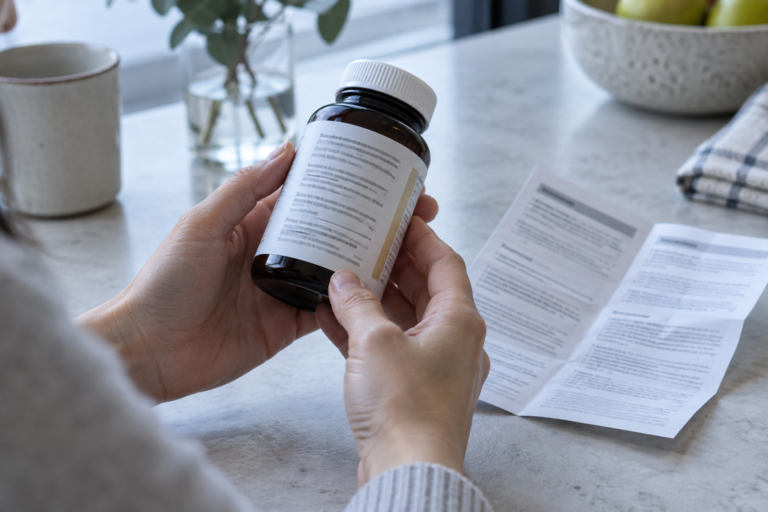
A medication review needs more than the prescription list. Include products taken occasionally, multivitamins, powders, and fortified drinks, with actual amounts and timing. Bring packaging or clear photographs. Ask whether the new medicine changes what you should take or when. Do not stop prescribed medicines on your own to make room for a supplement. Keeping multiple medicines and supplements under review
For example, calcium carbonate can reduce absorption of levothyroxine. The practical answer is a medicine-specific schedule, not a rule that every supplement becomes safe if separated by the same interval. A pharmacist can check the actual product and prescription together. NIH information on calcium interactions
Vitamin B12 raises a different medication question. Long-term metformin or acid-suppressing treatment can affect B12 status. Atrophic gastritis and gastrointestinal surgery are other relevant factors, so eating animal foods does not exclude an absorption problem. Fortified foods and supplements provide B12 that does not need to be released from food protein, but different causes of deficiency can require different treatment approaches. Ask whether your history warrants assessment; age alone is not a diagnosis. NIH guidance on B12 and absorption
Before the next order, give every product a clear job
Compare overlapping ingredients across your daily portions. A multivitamin, a bone formula, and a fortified drink may all contribute the same nutrient. Overlap does not automatically mean excess, but it means the amounts need to be considered together. A “50+” label cannot do that calculation for your particular combination. Multivitamins and nutrient overlap
Separate three questions: does the product fill a current dietary gap, was it recommended for an identified condition, and does the combination still fit your medicines? A bottle bought for an old problem should not continue indefinitely without anyone revisiting the reason. Equally, a treatment prescribed for a continuing problem should not be dropped simply to shorten the list.
Write the purpose and review point beside each product you decide to continue. Leave the appointment knowing which meal needs attention, whether a product or its timing should change, and who will review the plan if your appetite, function, or prescriptions change again. Keep that updated page with your medicine list, ready for the next purchase.
This article provides general health information, not an individual diagnosis or treatment plan. Sources checked September 23, 2026 (KST).
Related guides
- Do You Need Supplements? Start With the Problem You Want to Solve
- Do You Need a Multivitamin? Give the Bottle a Specific Job
- Do You Need Vitamin D? Separate the Supplement Decision From the Blood Test
- Supplements and Medicines: What to Check Before a New Bottle
References
- NIA — How Can Strength Training Build Healthier Bodies as We Age?
- NIA — Healthy Meal Planning: Tips for Older Adults
- NIAMS — Osteoporosis: Diagnosis, Treatment, and Steps to Take
- LeBoff et al. — Supplemental Vitamin D and Incident Fractures in Midlife and Older Adults
- MedlinePlus — Taking Multiple Medicines Safely
- NIH ODS — Calcium: Health Professional Fact Sheet
- NIH ODS — Vitamin B12: Health Professional Fact Sheet
- NIH ODS — Multivitamin/Mineral Supplements: Consumer Fact Sheet