A Cold Before Your Trip: Where Vitamin C Fits in the Plan
Your flight is on Friday, but a sore throat arrives on Tuesday. Buying the strongest vitamin C available can feel like a way to protect the trip. The departure date, however, cannot tell you whether a supplement will help. First separate the decisions you face: whether this illness needs assessment, whether supplementation suits your health history, and what is actually missing from your travel meals.
If symptoms are already here, start with the illness
Rest, fluids and attention to changing symptoms take priority over a last-minute supplement purchase. Trouble breathing, dehydration, or fever or cough that improves and then worsens are reasons to seek care. If you are at higher risk of complications and flu or COVID-19 is possible, contact a clinician promptly even if symptoms seem mild; early treatment can matter. CDC cold care
Starting vitamin C after symptoms appear has not shown a consistent benefit in cold trials. Results from people who took it regularly before becoming ill cannot be turned into a promise that starting now will rescue your itinerary. A deadline is a reason to make a practical care plan, not a reason to keep raising the dose. Cochrane review
Put your health history ahead of the product comparison
A familiar vitamin can still require an individual discussion. Kidney disease, previous kidney stones or hereditary hemochromatosis should be mentioned before high-dose use. Vitamin C promotes nonheme iron absorption, which matters in an iron-overload disorder. These cautions do not mean healthy people should avoid ordinary fruit and vegetables. Take the names of your medicines and supplements to that conversation so the advice fits what you actually use. NIH safety information
For kidney stones, a large prospective cohort analysis found an association with higher total and supplemental vitamin C intake in men, but not women. This observational result does not establish causation, and the finding in women is not a guarantee of safety. A previous stone deserves its own discussion rather than reassurance based only on your sex. Kidney-stone cohort study
Solve the food problem you can identify
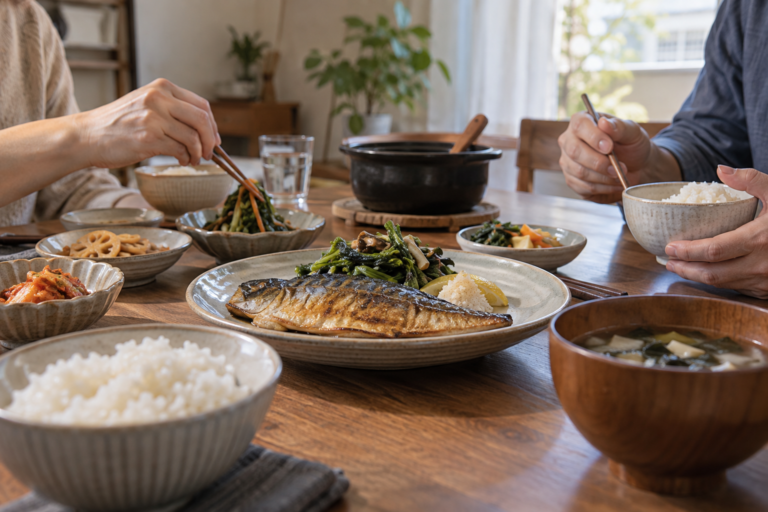
Now consider an ordinary travel day. If breakfast is coffee and lunch comes from a convenience store, access to produce may be a more concrete issue than finding a premium supplement. Peppers, kiwifruit, broccoli, strawberries and citrus can supply vitamin C. Choose options that fit the meals you will really eat, rather than planning an ideal menu that disappears on the first busy day. NIH food sources
The same approach works at home: look across several days, not one unusually balanced dinner. If dietary restrictions or difficulty eating narrow your choices, explain those constraints when asking about supplementation. Correcting inadequate intake is a nutritional goal. It should not be confused with treating the sore throat you already have or guaranteeing that you will avoid the next cold.
Buying ahead does not guarantee prevention
For a future trip, you might consider taking vitamin C routinely instead. The Cochrane review did not find a meaningful reduction in cold incidence in the general community. Regular users did, on average, have somewhat shorter colds. Avoiding an infection and spending slightly less time ill are different outcomes, and neither finding tells you exactly how your next illness will unfold.
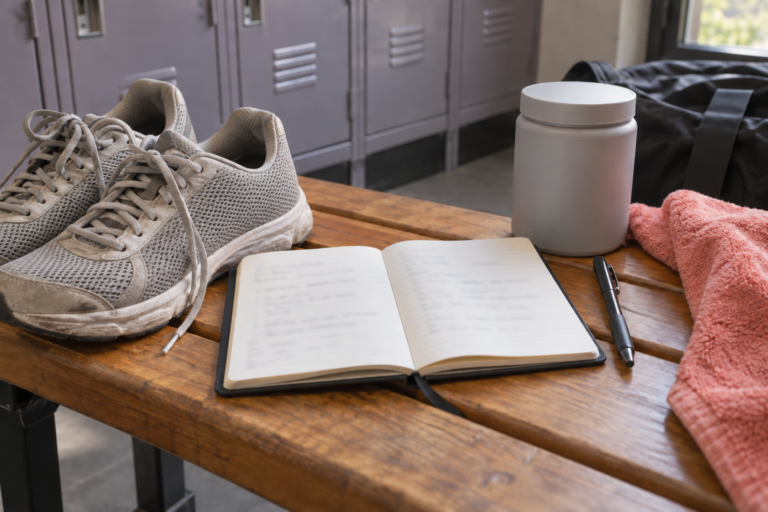
The review also found a preventive benefit in groups exposed to brief periods of severe physical exertion, including marathon runners and soldiers training in very cold conditions. A tiring flight or an ordinary gym session does not make you part of that research population. That distinction is more useful than a front-of-pack description such as “maximum strength.”
Ask what the premium price has actually demonstrated
U.S. “immune support” language may describe a role in normal body function. It is not FDA approval that a product prevents or treats colds, and supplement structure/function claims are not pre-approved by FDA. Read the claim as something to examine, rather than a guarantee. FDA claim guidance
An absorption claim asks a different question again. A 2024 randomized crossover trial in 27 adults found higher plasma and white-blood-cell vitamin C concentrations after a single dose of one liposomal formulation. Researchers followed those concentrations for 24 hours; they did not test cold incidence or recovery time. That result cannot establish better cold outcomes for every liposomal product. 2024 absorption trial
For standard oral vitamin C, controlled pharmacokinetic research showed that blood concentrations do not rise in simple proportion to intake. Taking more is therefore not a straightforward way to multiply a benefit. Lower fractional absorption at higher intake is also not an instruction to compensate with ever-larger amounts. Primary pharmacokinetic study
Count actual servings before anything goes into the bag
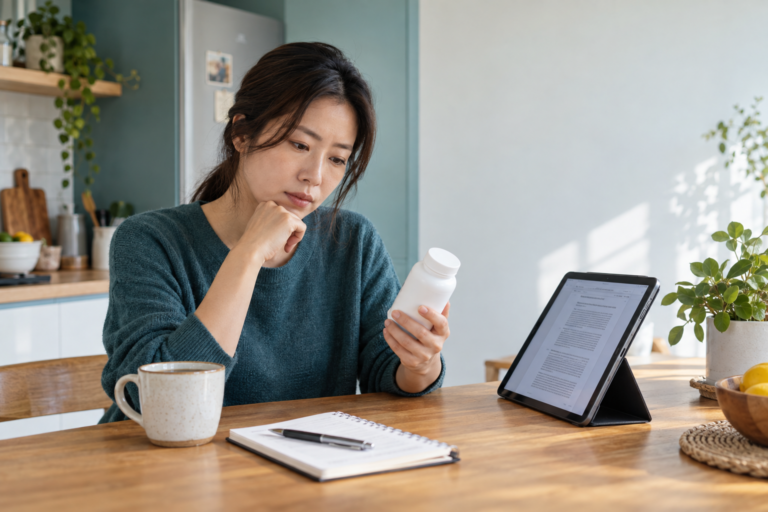
Check vitamin C per serving, the number of tablets or gummies in that serving, and how often you use it. Add drink packets and your existing multivitamin to the calculation. In U.S. reference values, the upper limit from age 19 is 2,000 mg daily from food and supplements combined. It is not a target or a cold-treatment dose; children have lower limits. Large amounts can cause diarrhea, nausea or abdominal cramps, and being below the adult limit does not ensure suitability for every person.
Pack with a specific purpose. If you are covering a dietary gap, make that plan explicit. If you are already ill, write down when symptoms began and what has changed for any consultation. If the only reason for an extra packet is certainty that the trip will be cold-free, the evidence cannot provide it.
This article provides general information, not an individual diagnosis or treatment plan. Sources checked September 23, 2026 (KST).
Related guides
- How to Read a Supplement Facts Label Without Misreading the Dose
- Taking Several Supplements? Check What the Ingredients Add Up To
- Do You Need Supplements? Start With the Problem You Want to Solve
References
- FDA — Structure/Function Claims
- NIH ODS — Vitamin C: Consumer Fact Sheet
- Cochrane — Vitamin C for Preventing and Treating the Common Cold
- Levine et al. — Vitamin C Pharmacokinetics in Healthy Volunteers (1996)
- Purpura et al. — Liposomal Vitamin C Absorption Trial (2024)
- NIH ODS — Vitamin C: Health Professional Fact Sheet
- Ferraro et al. — Vitamin C Intake and Incident Kidney Stones (2016)
- CDC — Manage Common Cold (2026)
vitamin C, common cold, supplement labels, liposomal vitamin C, nutrition