Menopause and Weight Gain: Food, Sleep and Muscle
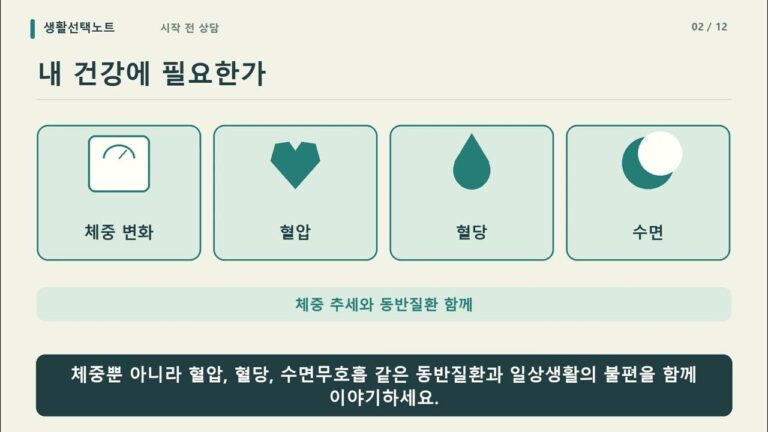
When familiar clothes feel tighter around menopause, eating less may seem like the obvious answer. A more useful starting point is to look at the timing of weight changes, waist size, disrupted sleep and changes in daily activity together.
Ageing and hormonal changes overlap
Three things to consider
Body
Weight trend and waist
Daily life
Food, activity and sleep
Health
Symptoms, medicines, tests
Midlife weight gain has several influences. Age-related changes in muscle and activity occur alongside work, caregiving, food routines and sleep. Hormonal changes around menopause are associated with a shift towards abdominal fat. Body composition and waist size can change even when the scale is fairly stable.
Avoid treating weight gain as a failure of willpower or assuming that every change is caused by menopause. A rapid change over weeks, swelling, marked fatigue or palpitations deserves medical review for other causes. Weight alone cannot diagnose menopause or thyroid disease. Sources [1]
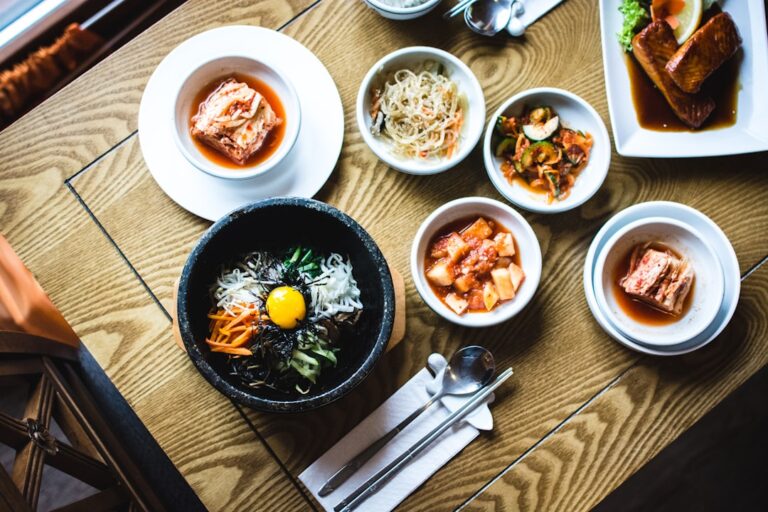
Check what meals are missing
Abrupt restriction can remove protein and other nutrients along with energy. Check whether ordinary meals contain a suitable protein food, such as fish, eggs, tofu, beans, lean meat or dairy. Include vegetables, fruit, whole grains and calcium-containing foods. If you have kidney disease or another condition affecting nutrition, follow your individual plan.
For example, if a salad-only lunch is followed by intense evening hunger, review the lunch before tightening dinner rules. Also look at habitual sweet drinks and snacks. There is no need to remove all rice or apply one calorie allowance to everyone. Use food notes to identify recurring situations rather than grade yourself. Sources [2]
Include strength as well as walking
Progress beyond the scale
Strength
Easier daily tasks
Sleep
Waking and fatigue
Health checks
Blood pressure, glucose
Consider muscle-strengthening activity alongside walking or other aerobic movement. Daily function matters too: climbing stairs or carrying groceries may become easier. These improvements are useful even when body weight does not immediately fall.
You do not need to start with heavy equipment or a fixed high repetition count. Joint pain, osteoporosis, balance problems or cardiovascular disease may call for advice about suitable movements and intensity. Avoid pushing through pain or using exercise to compensate for eating. Sources [2]
Notice how nights affect your days
Night sweats or hot flushes can disrupt sleep and make activity or meal preparation harder the following day. Briefly note bedtime, waking time, why you woke and daytime sleepiness. Adding caffeine and snack timing can make a practical pattern easier to see.
Aim for a reasonably regular sleep routine and a comfortable bedroom. Loud snoring, witnessed pauses in breathing or marked daytime sleepiness deserve assessment. A sleep record can help a consultation but cannot diagnose sleep apnoea. Sources [2], [3]
Use the record to choose a starting point
Imagine a fictional record: after repeated night waking, breakfast becomes improvised, several coffees are used to get through the afternoon and there is little energy for activity after work. In that pattern, reviewing disruptive symptoms and arranging easy meals may be more practical than adding food restrictions. This example does not prove a cause or treatment effect.
If sleep is comfortable but caregiving has reduced activity time, the starting point may instead be finding brief opportunities to move and support for strength activity. Less fatigue and more reliable meals can provide a foundation even while weight is stable. Choose one change and review both its burden and its usefulness rather than changing many rules at once. Sources [1], [2]
Consider hormone therapy for its actual purpose
Menopausal hormone therapy is used for symptoms such as hot flushes and night sweats; it is not started solely as a weight-loss treatment. Better symptom control and sleep may make everyday changes easier, but treatment does not promise a particular amount of fat loss from one body area.
Decisions consider symptoms, age and time since menopause, whether the uterus is present and a history of conditions such as clots, cancer or liver disease. Do not stop a prescription or add a “hormone balance” supplement because of weight changes. Hormone therapy is not contraception; pregnancy potential requires separate advice about contraception and weight management. Sources [1], [2], [4]
Start with one page of notes
Notes for your appointment
When
Weight and symptoms
What changed
Sleep, meals, activity, drugs
What to ask
Goals, tests and treatment
For one week, try brief notes such as “woke repeatedly”, “missed lunch” or “moved comfortably”. Interpret weight as a trend measured under similar conditions, rather than changing food in response to one reading. Keep the site and method consistent for waist measurements too.
Useful consultation questions include: “Would weight loss benefit me now?”, “Do my sleep symptoms need treatment?” and “How should we assess muscle and bone health?” Underweight, eating-disorder risk, pregnancy, breastfeeding or unintended weight loss require an individual assessment before general weight-loss advice. Sources [1]
A useful tool
A blank form for bedtime, waking, night awakenings, naps, caffeine, alcohol, activity, medicines and daytime sleepiness. It does not analyze sleep automatically or diagnose insomnia or sleep apnoea.
Common questions
Does everyone need to lose weight at menopause?
No. Weight, waist size, health, muscle and nutrition help determine whether maintenance or weight loss is appropriate.
Can one exercise remove only abdominal fat?
Do not expect an exercise for one area to selectively remove its fat. Consider overall activity, strength, food and sleep together.
Will stopping hormone therapy make me lose weight?
Do not stop treatment on that assumption. Review the timeline and other causes with the prescriber, considering symptom benefits and risks.
Sources and scope
- The Menopause Society: Midlife Weight Gain
- NHS: Menopause and perimenopause self-care
- NHLBI: Sleep apnea symptoms
- The Menopause Society: Hormone Therapy
Sources checked 5 October 2026 (KST). General health information, not individual diagnosis, treatment, nutrition or exercise advice. International guidelines and regulatory approvals have their own jurisdictional scope and do not establish Korean licensing or reimbursement. No separate clinician review is claimed.