Returning to Work After Flu or COVID in Korea: What to Check
Returning to work after flu or COVID-19 involves two checks: whether returning is medically appropriate, and how your employer records the absence. Feeling well enough to answer emails does not automatically answer either question.
This guide is for workers in Korea. Ask your clinician about recovery and ask your workplace about leave, documents, and any role-specific infection-control rules.
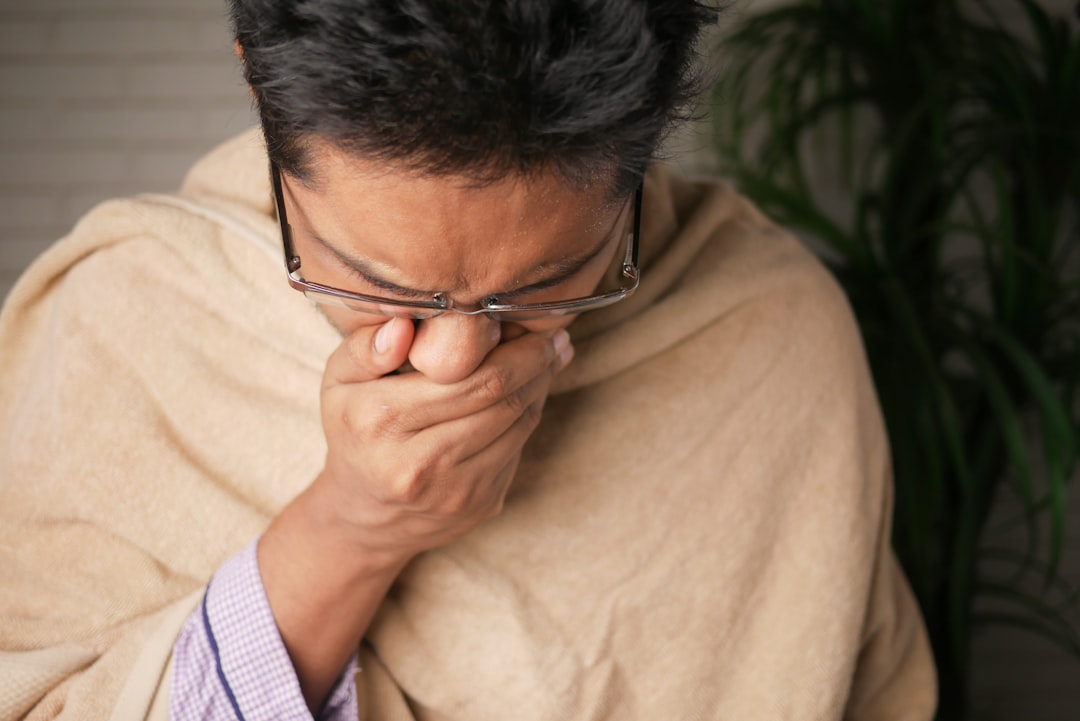
Start with your symptoms and role
If you still feel unwell, are worsening, or have a condition that raises the risk of complications, contact a clinician. Tell them if your job involves close contact with vulnerable people, healthcare, care work, or tasks that require sustained physical effort. A general community recommendation does not automatically apply to a hospital or care facility.
A clearly labelled public-health benchmark
U.S. CDC community guidance allows normal activities once, for at least 24 hours, symptoms are improving overall and there has been no fever without fever-reducing medicine. It recommends added precautions for the following five days. This is a U.S. health recommendation, not a Korean sick-leave entitlement or a replacement for Korean workplace or clinical instructions.
How sick leave is handled in Korea
The Korean Ministry of Employment and Labor’s FAQ explains that ordinary sick leave for a personal illness is generally handled through the workplace’s collective agreement, employment rules, or employment contract. Do not assume that a positive COVID-19 or flu test automatically creates paid leave. Ask HR which arrangement applies to you; occupational illness, public-sector employment, and other specific situations may require separate advice.
Send HR a focused question
“I am recovering from a respiratory infection. Which absence or sick-leave procedure applies, what evidence is required, and who confirms the return date? Is temporary remote work or a modified return possible?”
You can keep the request practical without sending unnecessary medical detail to a group chat. Use the employer’s designated private process for documents.
Before the first day back
- Confirm that your return plan matches the clinician’s advice and any occupational-health requirement.
- Check who records the absence and whether further documents are needed.
- Agree how you will reduce close exposure during shared indoor work.
- Ask what to do if fever returns or you become worse during the shift.
Our prevention guide explains cleaner air and masks, while the lingering-cough guide explains why cough duration alone is not a fitness-for-work test.
When to seek help promptly
Difficulty breathing, persistent chest pain, new confusion, severe dehydration, or worsening after initial improvement needs medical attention. High-risk people should not delay a treatment discussion while sorting out work documents; see COVID-19 treatment questions.
Sources
- Korean Ministry of Employment and Labor — FAQ on sick leave and workplace rules
- U.S. CDC — community precautions during and after respiratory illness
Source review: September 20, 2026. General educational information; this article does not replace medical care or individual advice. Local eligibility, availability, and administrative rules can change.