How to Reduce Flu and COVID Spread at Home
The goal is not to make your home sterile. The practical goal is to reduce close exposure, improve indoor air, and add layers of protection around people who are at higher risk of severe illness.
1. Reduce close contact when practical
CDC advises people with respiratory-virus symptoms to stay home and away from others, including household members who are not sick, until, for at least 24 hours, symptoms have been improving overall and they have had no fever without using fever-reducing medication.
2. Protect people at higher risk
Older adults, very young children, immunocompromised people, pregnant people, and people with certain chronic conditions may face higher risk from respiratory illness. When possible, they should avoid being the primary caregiver for the sick household member.
3. Improve indoor air
Open windows and doors when practical, use exhaust fans, and make sure ventilation systems are working as intended. Cleaner air reduces the concentration of respiratory particles indoors.
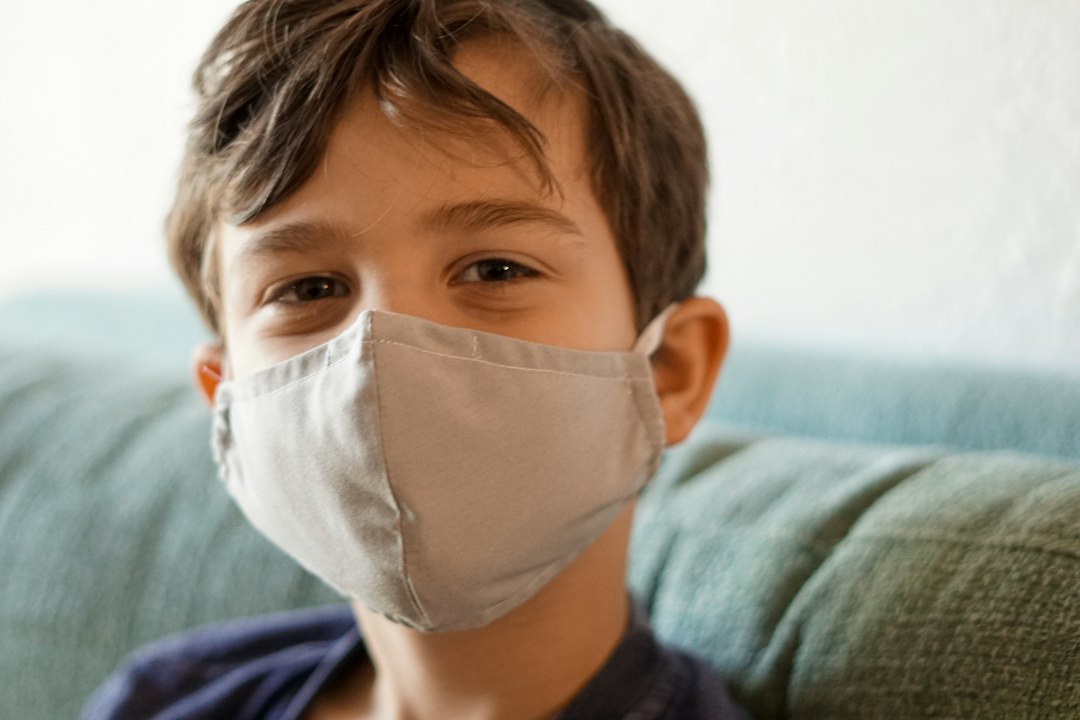
4. Use a well-fitting mask during unavoidable close contact
Masks are an additional layer of protection, especially when a sick person and a caregiver need to share indoor space. Better fit generally improves protection.
5. Practice hand and cough hygiene
Cover coughs and sneezes, wash hands regularly, and clean frequently touched surfaces. Household cleaners containing soap or detergent are appropriate for routine cleaning of many surfaces.
6. Know when home care is no longer enough
Seek urgent medical care for trouble breathing, persistent chest pain or pressure, confusion, inability to stay awake, severe dehydration, or other emergency warning signs.
What changes as the person improves?
Under U.S. CDC community guidance, both overall symptom improvement and being fever-free without fever medicine should hold for at least 24 hours before returning to normal activities. Continue extra precautions for the next five days. If fever returns or symptoms worsen, stay away from others again and reassess. This is community guidance; local advice and healthcare-setting rules may differ.
Make protection practical
Where appropriate, a portable HEPA air cleaner can complement ventilation. Choose safe ventilation for weather and household conditions. Do not put a mask on a child under age 2 or anyone who cannot safely remove it or wear it without breathing difficulty.
Related decisions
For an uncertain diagnosis, read the testing guide. For someone at higher risk, review flu treatment timing or COVID-19 treatment in Korea early.
Sources
- CDC — Preventing Spread of Respiratory Viruses When You’re Sick
- CDC — Taking Steps for Cleaner Air
- CDC — Masks and Respiratory Viruses Prevention
- CDC — Hygiene and Respiratory Viruses Prevention
Reviewed September 20, 2026. General public-health information; local guidance and individual medical needs may differ.