Negative COVID or Flu Test? When to Retest and What a Negative Means
A negative respiratory-virus test is not the same as proof that you are not infected. Test type, timing, specimen quality, and how much virus is present can all affect the result.
Why a negative test can happen early
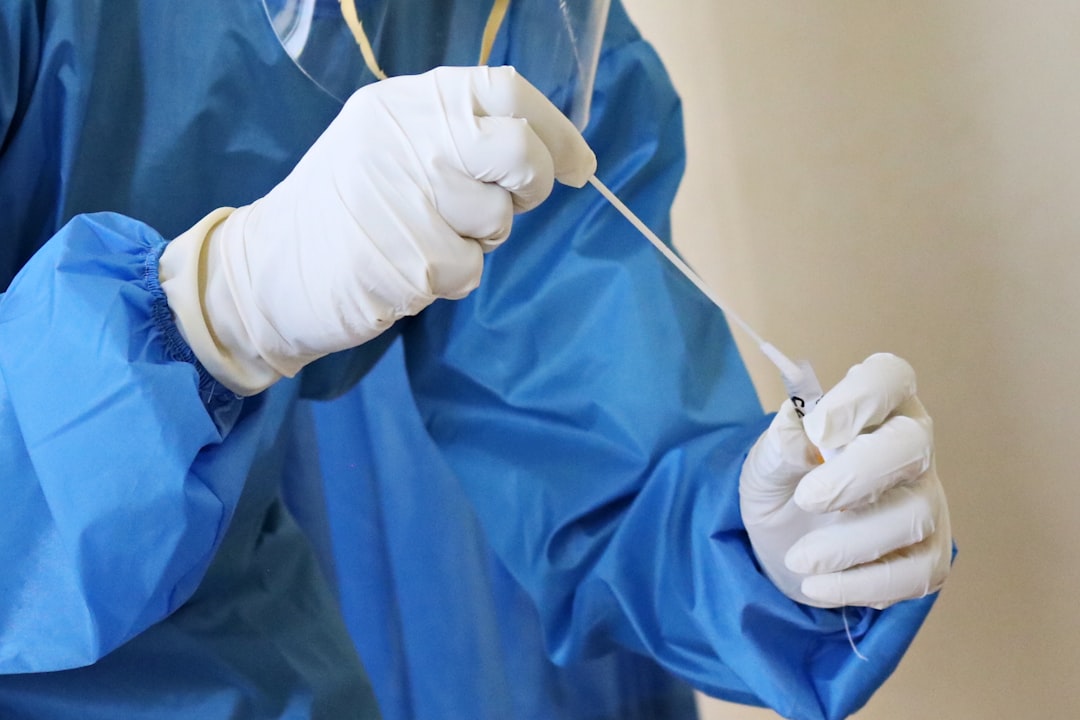
Antigen tests generally need more virus to be present than molecular tests such as NAAT or PCR. If you test very early, the amount of virus in the upper airway may still be below the test’s detection limit.
COVID-19 antigen tests: repeat after a negative
CDC and FDA guidance says a single negative antigen test cannot rule out COVID-19. If you have symptoms, repeat the antigen test 48 hours after the first negative result, for at least two tests total. If you do not have symptoms, FDA recommends three antigen tests, each 48 hours apart. A molecular test can be used instead of serial antigen testing in some situations.
Flu rapid tests: a negative does not always exclude flu
Rapid influenza diagnostic tests can miss infections, especially when flu activity is high. CDC notes that specimens collected close to illness onset are generally more useful, and molecular assays are more sensitive than rapid antigen tests.
When testing can change what you do
- you are at higher risk for severe flu or COVID-19
- a positive result could affect antiviral treatment
- you live with or care for someone at higher risk
- you need to make decisions about reducing exposure to others
- symptoms are worsening despite an initial negative result
When a molecular test may be useful
NAAT or PCR testing may be useful when a more sensitive result is needed, when an antigen result does not fit the clinical picture, or when a clinician needs more confidence before making a treatment decision.
Do not wait on repeat testing if you are getting sicker
Seek medical care promptly for trouble breathing, persistent chest pain or pressure, confusion, severe dehydration, or symptoms that improve and then worsen again.
Two important exceptions
The repeat-testing intervals above follow U.S. FDA/CDC guidance for COVID-19 antigen tests; use the instructions approved for your own test and country. They are not an instruction to wait 48 hours before seeking treatment, and they are not a universal repeat-test schedule for flu.
If you had COVID-19 in the previous 90 days, tell the clinician before choosing a molecular test: residual viral material can complicate interpretation. A negative result also does not assess the severity of another illness.
Related decisions
For symptoms that overlap, see the symptom guide. For a time-sensitive treatment discussion, see flu antivirals and COVID-19 antivirals in Korea. Before paying for a test, use the clinic-cost checklist.
Sources
- CDC — Testing for COVID-19
- FDA — At-Home COVID-19 Diagnostic Tests FAQ
- CDC — Diagnosis for Flu
- CDC — Rapid Influenza Diagnostic Tests
Reviewed September 20, 2026. General educational information; not a substitute for medical diagnosis or treatment.