Fiber and Fullness: Building More Satisfying Meals
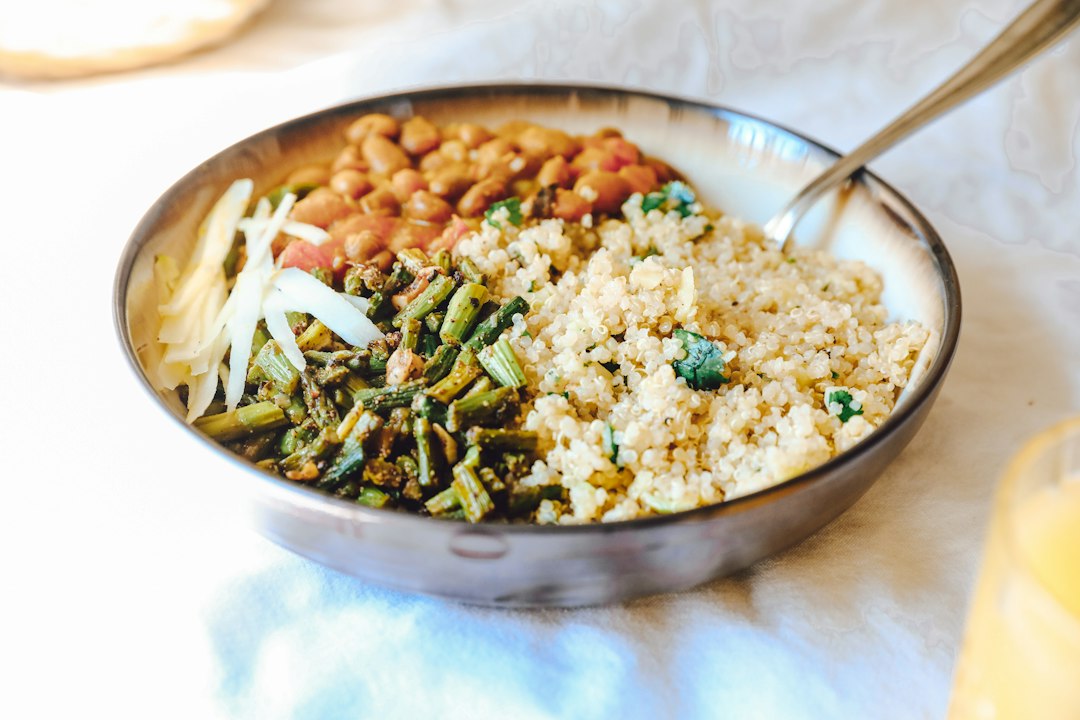
A satisfying meal starts with its overall composition. Fiber-rich foods can help, but adding a spoonful of fiber does not guarantee fullness or weight loss. A useful starting point is to look at what is already on your plate and make room for whole grains, beans, vegetables and whole fruit while keeping enough food and protein.
This guide offers general adult food-planning ideas. It does not assume that everyone needs to lose weight or should follow the same portions.
Why fiber-rich foods can help with fullness
Many vegetables and fruits contain both water and fiber. They can add volume to a meal without adding as much energy as an equal weight of some other foods. The CDC describes how vegetables and fruits can support fullness and suggests using them to replace some more calorie-dense ingredients.
Energy density means calories relative to the amount of food. It is useful context, not a ranking of foods as good or bad. Preparation matters: vegetables with generous amounts of oil or creamy dressing have a different energy content from the same vegetables prepared simply. Fullness also varies between people and meals, so a fiber number cannot predict your hunger precisely.
Build on familiar foods
Start with one change that fits your preferences, budget and digestion. These examples show possible combinations, not prescribed portions or nutritionally equivalent swaps.
| Meal component | Possible change | Keep in mind |
|---|---|---|
| Rice, bread or pasta | Try a wholegrain option or a familiar mixture. | Keep a portion that fits your energy needs. |
| Beans and lentils | Include them in a soup, bowl or side dish. | They contribute both fiber and protein. |
| Vegetables | Use a variety alongside your usual main dish. | Cooking method and added sauces matter. |
| Fruit | Choose whole fruit more often than juice. | Many juices contain little or no fiber. |
Build fiber into a complete meal
Fiber content depends on the food, preparation and portion you eat.
01 Whole grains
Oats, brown rice or a familiar grain mixture
02 Beans and lentils
Add to a soup, bowl or side dish
03 Vegetables
Choose a variety alongside your usual meal
04 Whole fruit
Choose fruit you can chew more often than juice
Keep protein foods and enough overall food; consider the whole meal and portion.
For example, a familiar rice bowl could include a grain mixture, cooked vegetables and a protein food you enjoy. Oats with plain yogurt and fruit offer another combination. Adjust ingredients for allergies, preferences and any therapeutic diet; these examples do not need to become a daily menu.
A bowl of vegetables alone may leave important parts of a meal missing. Keep appropriate protein foods and enough overall food. The NHS Eatwell Guide includes starchy foods, produce, protein foods, dairy or alternatives, and fats within a varied eating pattern. Balance can be considered across the day or week.
What does the WHO fiber recommendation mean?
The World Health Organization’s carbohydrate guidance recommends that adults consume at least 25 g of naturally occurring dietary fiber per day. It emphasizes carbohydrate sources such as whole grains, vegetables, fruits and pulses.
This is general dietary guidance for health, not a personalized weight-loss prescription or a promise that a particular intake will prevent hunger. It is not an instruction to add that amount as a supplement. If you are considering psyllium, see the guide to checking its purpose, medicine timing and product-specific fluid directions. Someone with a prescribed low-fiber diet or other medical nutrition needs should discuss changes with their care team.
Read fiber amounts for the portion you actually eat
Check whether a label gives values per serving, per package or per 100 g. The FDA’s label guide explains that nutrient amounts must be read together with serving information; a labeled serving is not a personal eating recommendation.
Hypothetical calculation: a food lists 6 g of fiber per 100 g. If you eat 30 g, that portion provides 6 × 30 ÷ 100 = 1.8 g of fiber. These invented numbers illustrate the arithmetic, not a real brand or a recommended portion.
Compare similar quantities and review the whole food, including protein and preparation. The food nutrition comparison tool converts manually entered calorie and nutrient values to a chosen portion, including protein. It does not look up food data or calculate fiber; calculate fiber directly from the label as above.
Calculate fiber for the portion you eat
Hypothetical label and portion. Not a real brand or an intake recommendation.
Label value
6 g fiber per 100 g food
Portion eaten
30 g food
Fiber in the portion
6 g × 30 g ÷ 100 g = 1.8 g
Also review energy, protein and the rest of the meal.
A missing fiber value does not establish that the food contains zero fiber.
Increase gradually and notice your response
The NIDDK advises introducing fiber gradually so your body can adjust. Avoid changing several meals and adding a fiber supplement all at once. You can begin with one familiar food and note comfort, bowel habits and satisfaction before making another change.
Fluids help fiber work, but the appropriate amount depends on your health and circumstances. Follow an existing fluid restriction or medical plan rather than forcing extra water. If you have bowel disease, recent digestive surgery or persistent symptoms, ask for individualized advice.
Increase gradually and notice your response
Adjust changes to your usual meals, digestive comfort and medical needs.
01 Start with one familiar food
Choose one manageable change in an ordinary meal.
02 Increase gradually as tolerated
Notice bloating and bowel habits; do not force larger amounts.
03 Individualize fluids
If you have a prescribed fluid restriction, follow your care team’s plan.
Constipation with pain, vomiting or blood in stool? Seek prompt medical care.
When symptoms need assessment
Persistent digestive discomfort deserves review instead of continually adding more fiber. NIDDK recommends prompt care when constipation occurs with symptoms such as constant abdominal pain, vomiting, inability to pass gas or blood in the stool. Severe or ongoing symptoms should not be dismissed as a normal adjustment.
Frequently asked questions
Will more fiber automatically make me lose weight?
No. Fiber-rich foods can support a satisfying pattern, but overall intake, food choices and individual circumstances still matter. Adding foods or supplements does not guarantee weight loss.
Do I need a fiber supplement?
This meal-building approach does not require one. Supplements may have specific uses, but they do not replace food variety or an adequate meal. Discuss a clinical need separately.
What if I feel hungrier or more uncomfortable?
Review the whole meal and the pace of change. Do not keep removing food or pushing fiber higher. Seek advice if symptoms persist or you have difficulty eating adequately.
If meals often end before fullness is noticeable, also review Eating Speed and Fullness. Slower eating alone does not guarantee weight loss.
References
- WHO: Updates to guidelines on fats and carbohydrates.
- CDC: Tips for Increasing Vegetables and Fruits in Your Diet.
- NHS: The Eatwell Guide.
- FDA: How to Understand and Use the Nutrition Facts Label.
- NIDDK: Eating, Diet, & Nutrition for Constipation.
- NIDDK: Symptoms & Causes of Constipation.
Prepared October 1, 2026. General education, not individualized medical or nutrition advice. Independently written and localized in English for Life Choice Note.