How to Check Supplement Recalls and Report Adverse Events
A recall notice and a reaction after taking a supplement answer different questions. A recall identifies products covered by a safety action. An adverse-event report records a suspected problem in a person. You can need medical care without a known recall, and you can own a recalled bottle without having symptoms. Start with your health, then identify the product and preserve a useful record.
Put urgent care ahead of the search
Difficulty breathing, swelling of the tongue or throat, or collapse after an exposure may signal a life-threatening allergic reaction. MedlinePlus describes anaphylaxis as an emergency: call 911 immediately in the United States. Do not delay care to check a lot number, photograph a label or complete a reporting form.
Other concerning symptoms, including jaundice, dark urine or severe, persistent vomiting or abdominal pain, need prompt medical assessment. The FDA’s supplement reporting guidance lists these among possible serious reactions and advises stopping the product when a serious reaction is suspected. Do not deliberately take another dose to test whether symptoms return. Discuss any changes to prescribed medicines with the treating clinician; a suspected supplement problem does not establish that every medicine should be stopped.
Match the bottle, not just the brand
Open the FDA recall and safety-alert listings and search the product and company names. Read the full notice rather than relying on a search headline or social-media screenshot. A company may sell several formulations, and a recall may cover only particular lots.
The FDA’s consumer recall guide explains the identifying details to compare. Keep the package beside the notice:
| Notice detail | What to compare on your package |
|---|---|
| Product and company | Exact brand, product name, and manufacturer or distributor named in the notice |
| Version and package | Formulation, strength if specified, package size and package type |
| Identifiers | Lot or batch code, UPC and any listed expiration or other product date |
The date a notice was published is different from the expiration date printed on a bottle. Packaging color alone is not a reliable match. If a code is unreadable or the scope is unclear, contact the company using the details in the official notice.
If your product is covered, stop using it and follow that notice’s return or disposal instructions. Photograph the identifying information before returning it, when practical and safe. If you have symptoms, contact a clinician; a refund does not resolve a medical concern.
A search with no result does not clear a product
The FDA states that its public recall-notice page does not contain every recall. Older notices move to an archive after three years. Check the additional recall resources and archive linked from the FDA page when needed. An empty search is not proof that a supplement is safe or suitable for you. It also does not rule out an individual reaction or interaction.
Build one record for your clinician and report
Once urgent needs are addressed, save information while it is still available. Useful records include:
- Clear photos of the front label, Supplement Facts, ingredient list, lot number and expiration date.
- The seller, purchase date, receipt or order details, and whether packaging appeared damaged or unusual.
- The amount you actually took, units, frequency, start date, last dose, and any recent change.
- When symptoms began, what happened next, medical care received, and relevant test results if available.
- All other medicines and supplements used around that time, plus relevant health conditions.
Separate what happened from what you suspect. “Started Tuesday; nausea began Thursday” is more useful than claiming an ingredient definitely caused it. If you used several products, identify each. Do not guess missing doses or dates: mark them as uncertain. Keep the packaging available for questions and follow any specific instructions about returning or retaining the product.
Use the FDA’s current supplement reporting instructions
Start at the FDA’s How to Report a Problem with Dietary Supplements page. At the September 30, 2026 check, its instructions and the FDA consumer complaint guidance direct dietary-supplement adverse-event reports to the Safety Reporting Portal. Follow the live official links and instructions, since reporting pages can change.
Consumers and health professionals can report voluntarily. You do not need to wait for a recall or be certain that the supplement caused the event. Provide the information you have, and keep a copy or confirmation if the system supplies one. Contacting the manufacturer can also be useful, but you can report directly to FDA.
The FDA’s reporting systems do not provide personal medical advice. Submit a report after addressing medical needs, rather than waiting for an agency response before seeking treatment.
Understand what a report can establish
The FDA’s Human Foods Complaint System includes food and supplement reports used to look for safety concerns. A reported event does not mean the FDA has determined that the product caused it. Another medicine, an underlying condition or coincidence may explain the timing. Missing information can make evaluation harder.
Report counts are not reliable estimates of an individual’s risk. Reports can support further evaluation and possible action, but submitting one does not promise an immediate recall or a personal diagnosis. Medical follow-up and factual reporting serve different purposes.
Frequently asked questions
Can I report a problem if the product is not recalled?
Yes. A known recall is not required. Describe the suspected reaction and identify the product as accurately as you can.
Do I need proof that the supplement caused my symptoms?
No. Report the suspected association without presenting it as proven. A clinician can assess your symptoms and other possible explanations.
Can I restart it if symptoms go away?
Do not restart a suspect supplement simply to test causation. Seek clinical advice about the reaction and any future use; follow recall instructions if your bottle is affected.
Related reading
- Verify quality and seller claims before buying
- Read the label for identifiers, ingredients and dose
- Review medicines and supplements together
- Herbal supplements and liver-injury warning signs
For U.S. readers. Sources and reporting instructions checked September 30, 2026. This article does not replace medical assessment or provide a personal prescription.
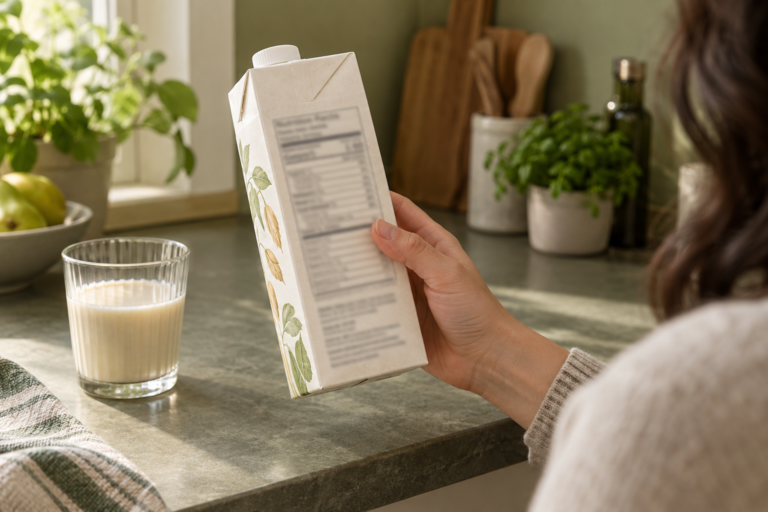
Illustrative stock photo for keeping product details and a symptom timeline. Photo: JESHOOTS.COM / Unsplash.