CKD and Supplements: Bring the Bottle, Labs and Medicine List
With chronic kidney disease, the useful question is not whether a supplement is generally “good for kidneys.” It is whether this particular product fits your kidney function, blood results, treatment and nutritional needs. Bring the bottle or clear label photos to a kidney-care review, alongside recent test results and a complete medicine list.
Build the review around three things
Bring every product you use: vitamins, minerals, herbal teas, protein powders, electrolyte mixes and occasional over-the-counter medicines. Record the actual servings and frequency, including products used only for constipation or heartburn. Tell the team why you take each one and whether it was prescribed. NIDDK recommends reviewing supplements and medicines with your care team and pharmacist.
Ask which recent results matter for this product, rather than trying to interpret a single number yourself. Kidney function and mineral results can change the decision. Also clarify your situation: earlier CKD, advanced CKD without dialysis, hemodialysis, peritoneal dialysis and a kidney transplant do not create identical supplement needs. The National Kidney Foundation explains these differences.
What the team is checking
| Product type | Main concern | Useful review question |
|---|---|---|
| Mineral or electrolyte supplement | Excess potassium, phosphorus or magnesium, depending on kidney function and treatment. | Does this fit my current blood results and medicines? |
| Multivitamin or separate vitamin | Unneeded amounts, duplication or a mismatch with a prescribed plan. | Which nutrient am I replacing, and how is it monitored? |
| Herbal blend or “kidney cleanse” | Unknown ingredients, kidney toxicity or medicine interactions. | Can the exact formulation be assessed safely? |
| Protein powder or nutrition drink | Mismatch with protein needs; additional minerals and other ingredients. | Is this needed for my nutrition and dialysis status? |
Minerals require context, not a blanket food ban
As kidney function declines, potassium and phosphorus can build up in the blood. Both low and high potassium can cause problems, so supplementation or restriction depends on your results and care plan. NIDDK recommends an individualized balance. Include mineral-containing powders and drinks in the review, rather than counting only tablets.
Magnesium also deserves attention. Reduced kidney function increases the risk of toxicity from excess magnesium; magnesium-containing laxatives and antacids can be important sources, according to NIH ODS. That does not mean every person with CKD has high magnesium or that clinician-directed replacement is forbidden.
Do not translate supplement caution into avoiding all fruit, vegetables or potassium-containing foods. KDIGO 2024 supports diverse diets with more plant-based foods and individually tailored mineral advice.
A prescribed nutrient plan is different from adding extras
The National Kidney Foundation cautions that excessive vitamin A can accumulate and cause harm, while too much vitamin C can increase calcium oxalate stone risk. A high-dose product is not automatically useful because it is water-soluble or sold without a prescription.
At the same time, CKD can create nutritional gaps, and dialysis can remove some vitamins. Your team may prescribe a kidney-specific vitamin or a particular form of vitamin D. Iron may be prescribed when iron deficiency contributes to anemia, as NIDDK explains. Continue your prescribed plan unless the treating team changes it; do not replace it with a general multivitamin or add overlapping products on your own.
Herbal “cleanses” need extra scrutiny
The National Kidney Foundation advises avoiding kidney detox or cleanse products: evidence of benefit is limited, and ingredients may damage kidneys or interact with medicines. Some products contain contaminants, and proprietary blends can obscure individual ingredient amounts. “Natural” is not a safety assessment.
After a transplant, an interaction that changes anti-rejection medicine exposure can threaten the transplanted kidney. Contact the transplant team before adding an herbal product. A friend’s experience or a quality-testing logo cannot establish compatibility with your particular treatment.
Protein advice changes with treatment
For some adults with CKD who are not on dialysis, avoiding excessive protein is part of care. KDIGO 2024 also emphasizes supervision and individualization; people who are frail or undernourished may need different targets. A very low-protein diet is not a plan to copy from the internet.
Dialysis removes protein, so people receiving dialysis may need more, not less. NIDDK explains that the amount lost differs by dialysis type. Ask a renal dietitian whether a powder or drink addresses a genuine gap and how it fits the whole diet. Do not use a universal “avoid protein” rule or assume every nutrition drink has the same mineral content.
Read U.S. labels without mixing up product categories
On a supplement, Supplement Facts gives serving size and amounts per serving. Compare that serving with what you actually take. Keep the ingredient list and any blend details visible in your photos.
An antacid or laxative sold as an OTC medicine uses Drug Facts, which lists active ingredients per dosage unit, warnings and directions. Do not assume its printed amount is directly interchangeable with a nutrient amount on Supplement Facts. Let the pharmacist reconcile the formulation and your actual use.
Leave the review with a clear plan: what to continue, what needs changing, what to monitor and when to follow up. Fluid advice also needs individualization; NIDDK recommends discussing your daily liquid amount. Drinking more water does not make an unsuitable supplement safe.
Seek immediate medical care for persistent chest pain or difficulty breathing; do not wait for the supplement appointment. NIDDK identifies these urgent symptoms.
Frequently asked questions
Should everyone with CKD stop all vitamins?
No. Some people need a prescribed replacement plan. Review extras and duplication without stopping prescribed treatment yourself.
Is a kidney cleanse useful after a transplant?
Do not self-start one. Limited benefit evidence and potentially serious interactions make transplant-team review essential.
Does CKD always mean avoiding protein supplements?
No. Needs differ before and during dialysis. A renal dietitian should assess nutritional need and the exact product.
Related guides and tools
- Estimate eGFR from creatinine—this does not replace diagnosis or treatment decisions
- Estimate Cockcroft–Gault CrCl—confirm medication decisions with the care team
- How to read creatinine and eGFR results
- Supplement–medicine interactions to review with CKD
General information for adults, checked September 30, 2026. This article does not replace medical assessment or provide a personal prescription.
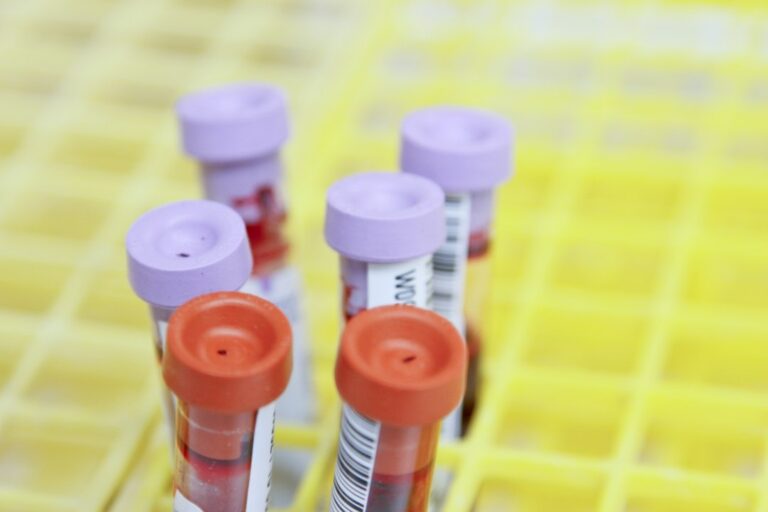
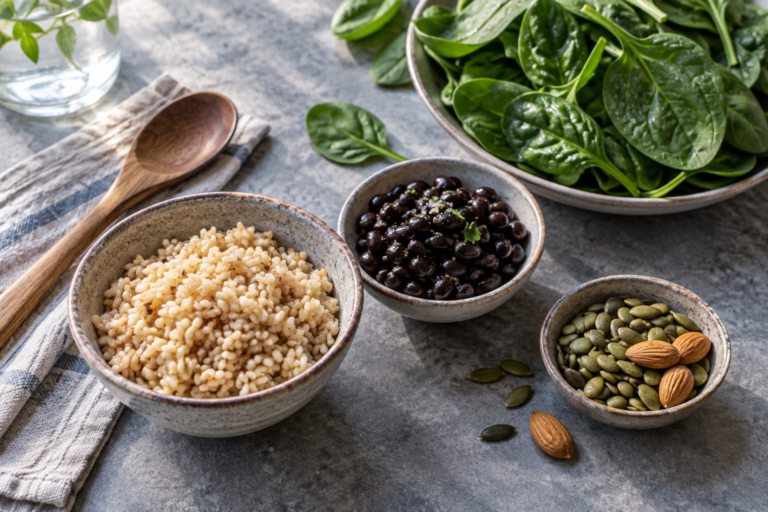
Illustrative stock photo for preparing a medication and supplement review. Photo: Abdulai Sayni / Unsplash.