Flu vs. COVID vs. Cold Symptoms: What You Can and Cannot Tell
You usually cannot tell flu, COVID-19, and the common cold apart from symptoms alone. They can all cause cough, sore throat, a runny or stuffy nose, headache, body aches, and fatigue. Flu often starts more abruptly and may cause stronger fever, chills, and body aches, while a common cold more often centers on nasal and throat symptoms. COVID-19 can overlap with both, so testing may be needed when the result could change treatment or precautions.
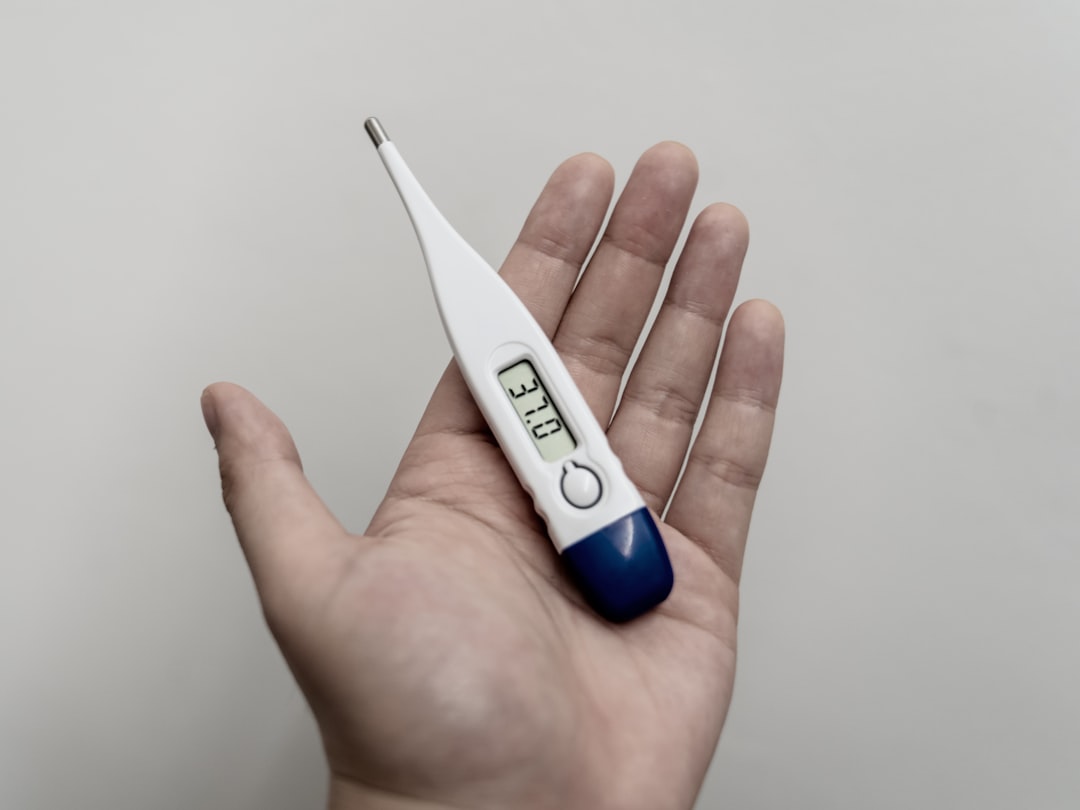
Why symptoms alone are not enough
Flu and COVID-19 are caused by different viruses, but the symptom overlap is substantial. The CDC specifically notes that symptoms alone cannot reliably distinguish the two. A person can also have mild, atypical, or no fever with either infection, depending on age, immune status, vaccination history, and the stage of illness.
Typical patterns — not diagnostic rules
| Feature | Common cold | Flu | COVID-19 |
|---|---|---|---|
| Onset | Often gradual | Often abrupt | Variable |
| Fever/chills | Usually absent or mild in adults | Common, but not universal | May occur or be absent |
| Runny/stuffy nose | Very common | Possible | Possible |
| Body aches | Usually mild | Can be prominent | Possible |
| Cough/sore throat | Common | Common | Common |
| Fatigue | Possible | Can be marked | Common |
This table summarizes common patterns, not a diagnostic test. Exceptions are common.
What a common cold usually looks like
The common cold is an upper respiratory infection caused by many different viruses. CDC guidance lists runny nose, nasal congestion, cough, sneezing, sore throat, headache, mild body aches, and usually low-grade fever in older children and adults. Cold symptoms generally peak early and often improve within about a week.
What is more typical of flu
Uncomplicated influenza is often characterized by a sudden onset of fever or chills, headache, muscle aches, fatigue, cough, sore throat, and nasal symptoms. Not everyone with flu has a fever, especially older or immunocompromised adults.
What is more typical of COVID-19
COVID-19 can cause fever or chills, cough, shortness of breath, fatigue, sore throat, nasal symptoms, body aches, headache, gastrointestinal symptoms, and changes in taste or smell. Because the pattern overlaps with flu and other respiratory infections, a specific symptom should not be used to rule COVID-19 in or out.
When testing is worth considering
Testing becomes more useful when the result could change treatment, isolation or exposure decisions, or care for a higher-risk person. If you are at higher risk for severe illness, contact a clinician early because antiviral treatment for flu and COVID-19 works best when started promptly after symptoms begin.
Information to record before seeking care
- when symptoms started and whether the onset was sudden or gradual
- your highest measured temperature and how long fever has lasted
- whether cough, sore throat, nasal symptoms, or shortness of breath are improving or worsening
- how much fatigue, headache, or body aches are limiting normal activity
- known exposure to flu or COVID-19
- age, pregnancy, immune suppression, or chronic conditions that increase risk
Emergency warning signs
Seek urgent medical evaluation for trouble breathing, persistent chest pain or pressure, new confusion, inability to wake or stay awake, or pale, gray, or blue lips, skin, or nail beds depending on skin tone. Worsening after initial improvement, severe dehydration, or a major worsening of a chronic condition also warrants medical attention.
Bottom line
A symptom pattern can suggest what is more likely, but it cannot confirm flu, COVID-19, or a common cold. If the answer could change treatment or protect someone at higher risk, testing and clinical evaluation are more useful than relying on a symptom checklist alone.
Choose your next step
If your first result is negative, read how test type and timing affect it. If you are at higher risk, ask promptly about flu treatment timing or COVID-19 treatment in Korea. While arranging care, use practical household precautions.
Sources
- CDC — Similarities and Differences between Flu and COVID-19
- CDC — About Common Cold
- CDC — Clinical Signs and Symptoms of Influenza
- CDC — Symptoms of COVID-19
- CDC — About Respiratory Illnesses
Reviewed against current source pages on September 20, 2026. This article is general educational information and does not replace medical diagnosis or treatment.